
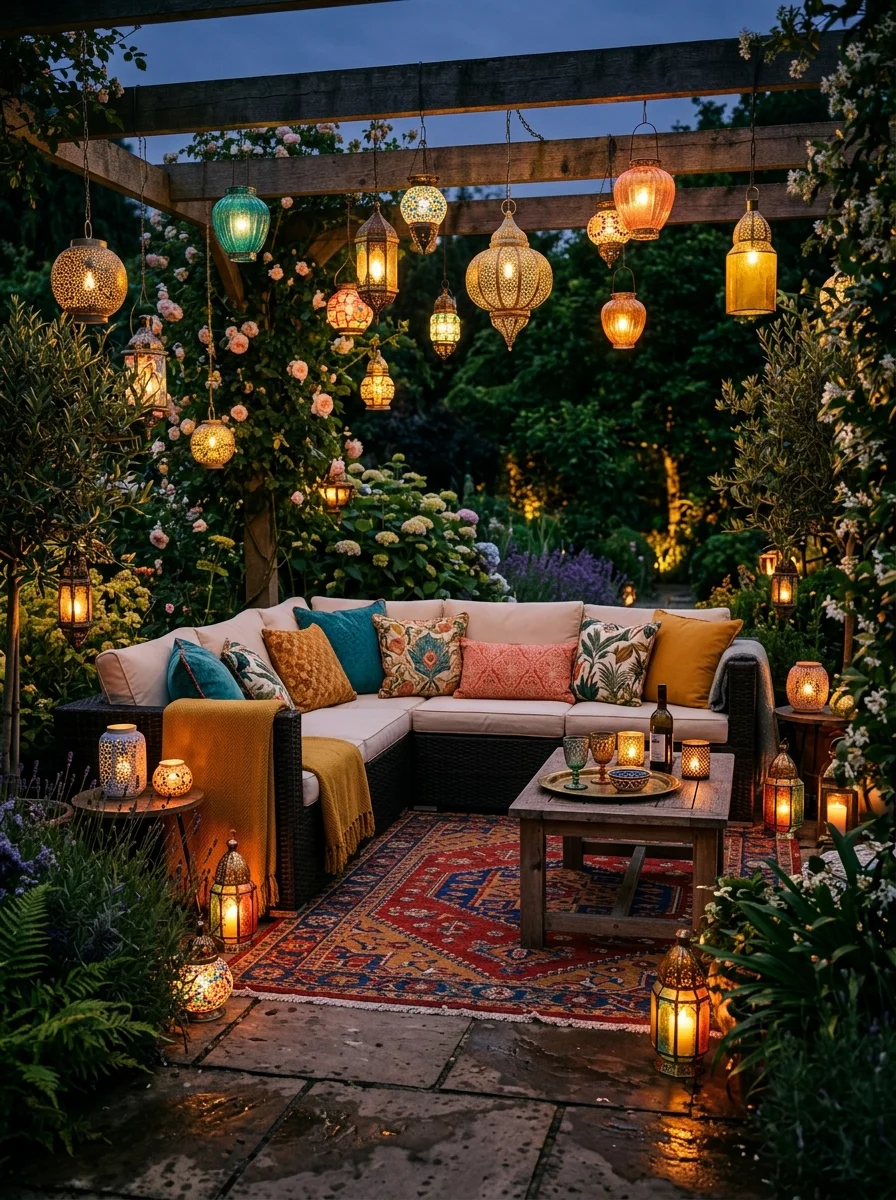
A beautiful garden is never an accident — it’s the result of small, thoughtful decisions made one bed, one path, and one plant at a time. You don’t need acres of land or a horticulture degree to create an outdoor space that stops people in their tracks. These eighteen garden decor tips cover the design principles and practical tricks that turn ordinary plantings into a garden that feels intentional, lush, and entirely your own.
1. Start with a Strong Focal Point
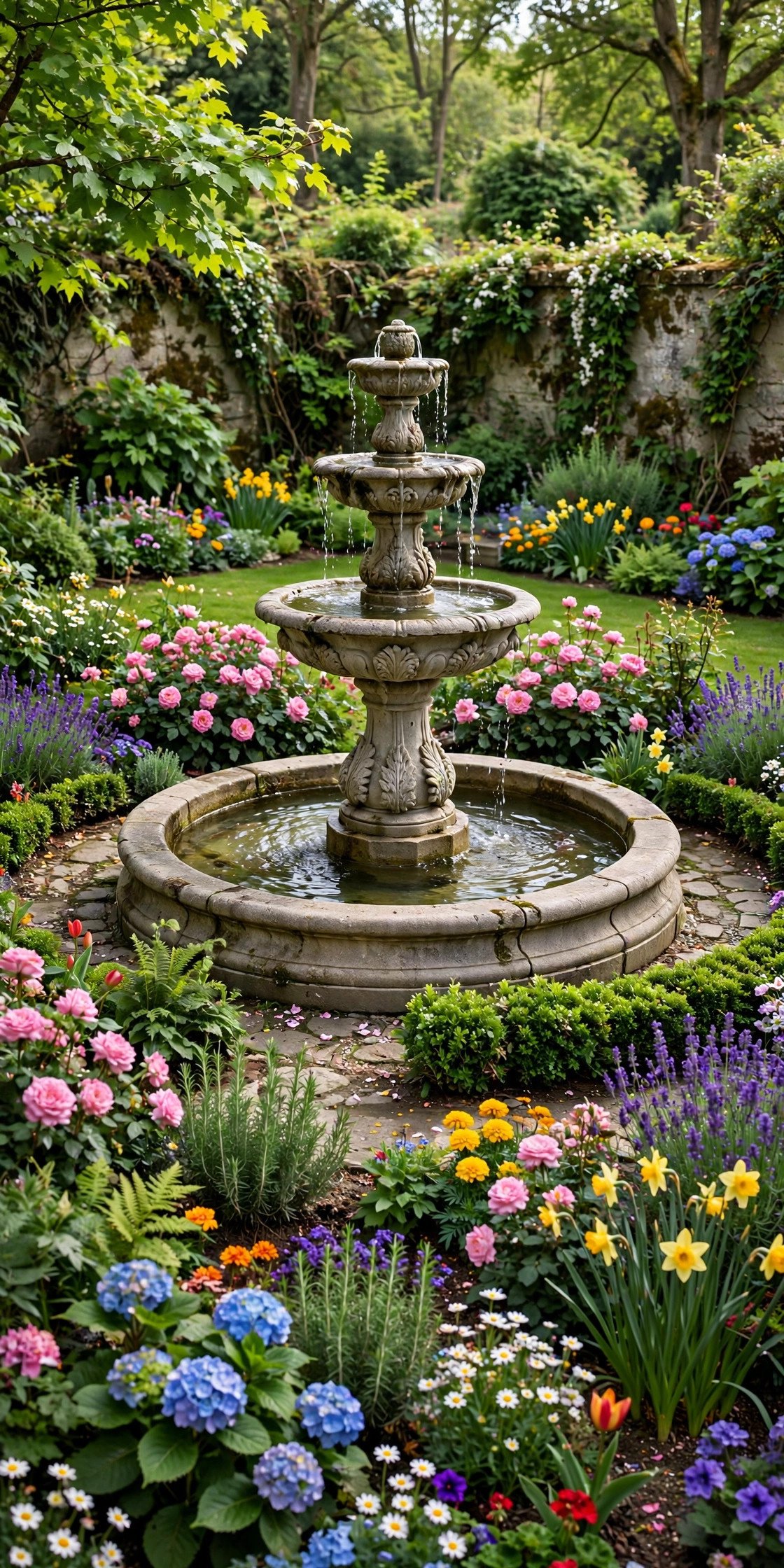
Every great garden gives the eye somewhere to land. A striking focal point — a sculptural urn, a small tree with beautiful form, a bubbling fountain, or an arbor draped in roses — anchors the whole design. Without one, even lovely plantings can feel scattered and aimless.
Place your focal point where it’s visible from your most-used window or seating spot, since you’ll enjoy it daily. Then arrange surrounding plants to frame rather than compete with it. One confident centerpiece does more for a garden’s sense of design than a dozen scattered ornaments.
2. Layer Plants by Height
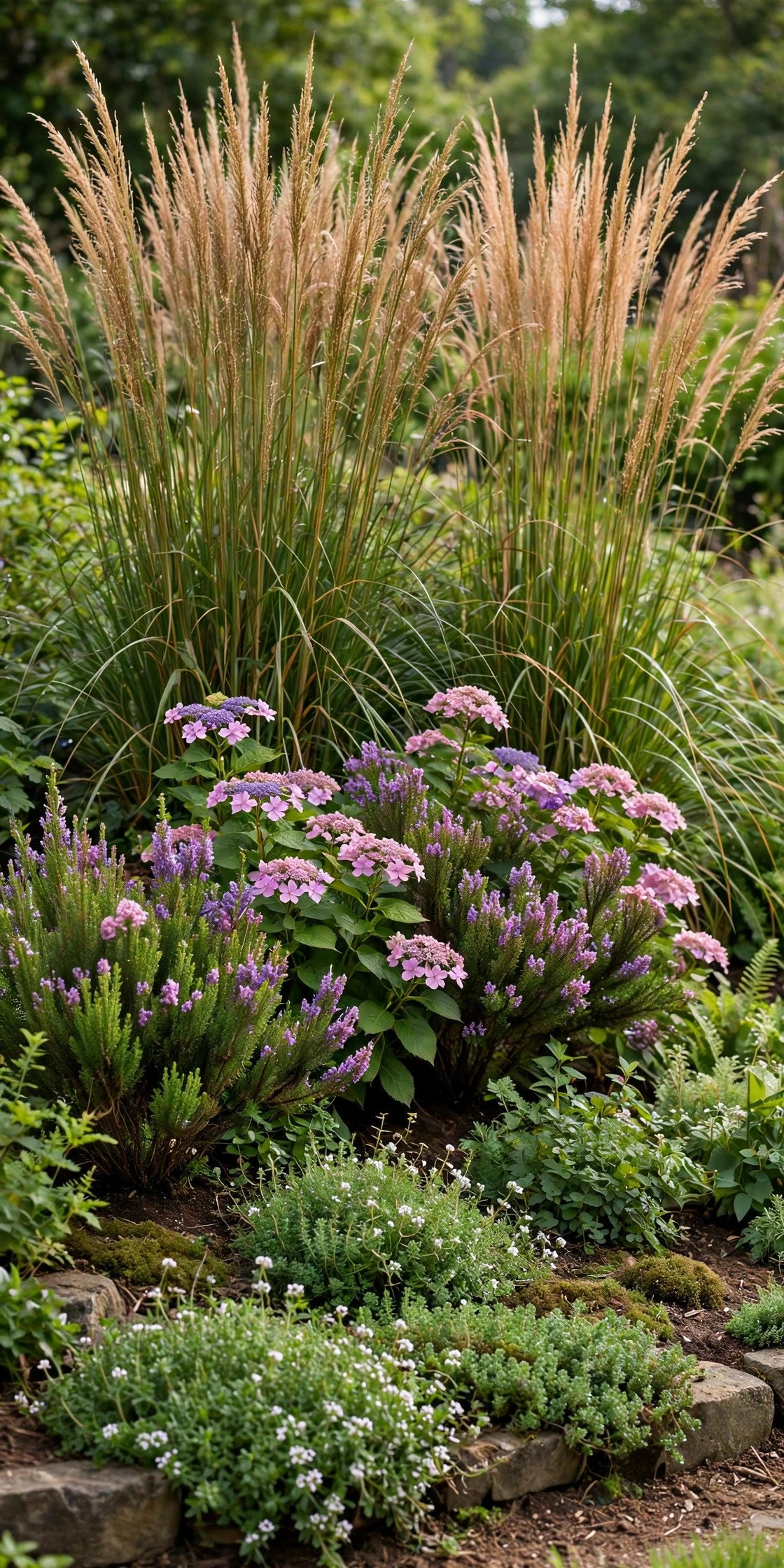
Professional-looking beds are built in layers: tall plants and small shrubs at the back, medium perennials in the middle, and low edging plants at the front. This stair-step arrangement ensures every plant is visible and creates the lush, full look that flat, single-row plantings never achieve.
When planning, check mature heights on plant tags rather than the size in the nursery pot. Leave room for growth so layers don’t swallow each other by midsummer. Even a narrow bed looks abundant when each layer has its own stage to shine on.
3. Repeat Colors for a Cohesive Look
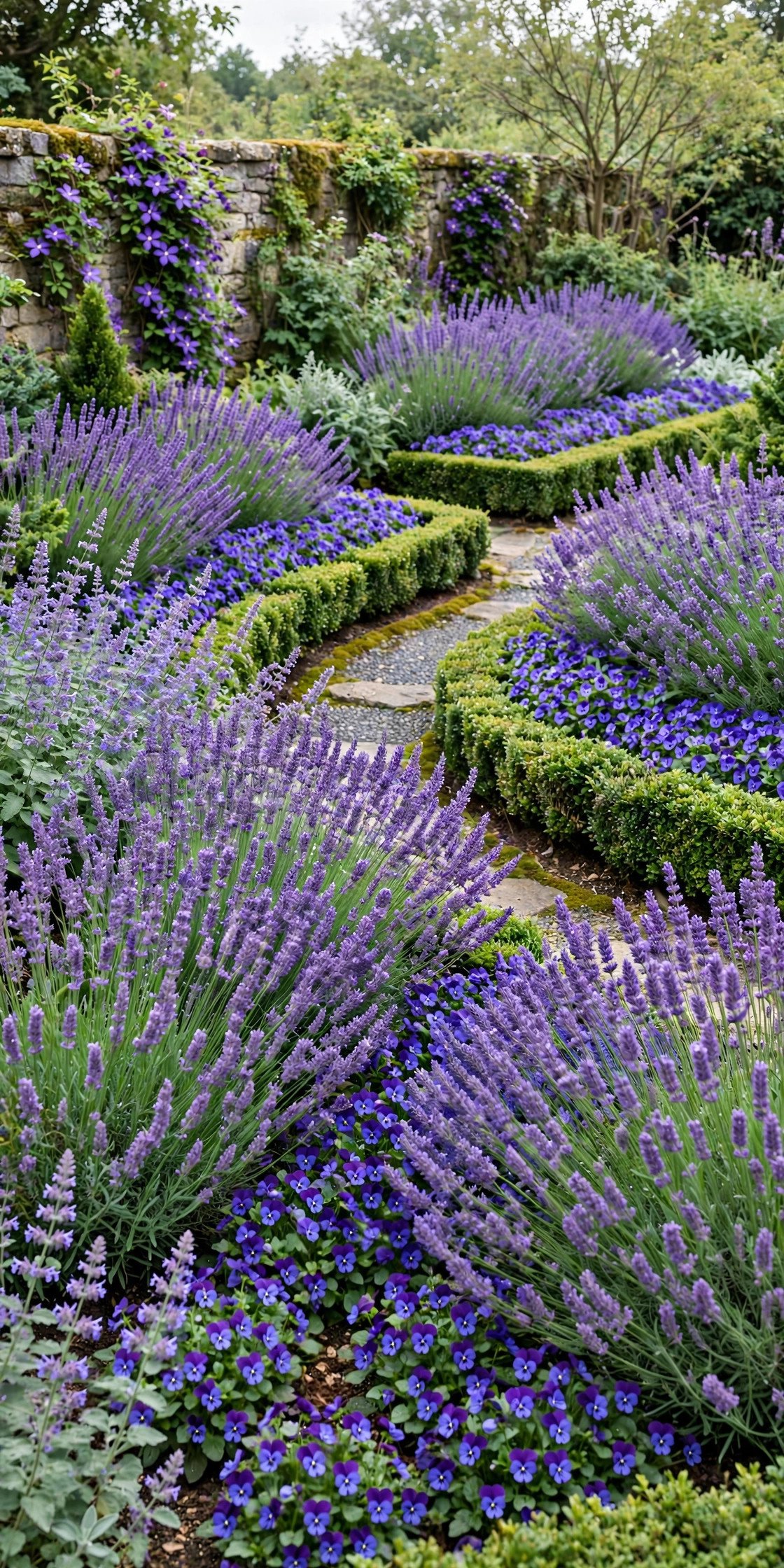
Repetition is what makes a garden feel designed rather than random. Choose two or three main colors and echo them through the space — purple salvia here, purple alliums there, a purple clematis on the fence. The eye reads these echoes as rhythm, and rhythm reads as beauty.
Limiting your palette also makes shopping easier: you can say no to tempting impulse plants that clash. White flowers are the great unifier — they brighten shady corners and make neighboring colors glow. A restrained palette always looks more expensive than a rainbow of unrelated blooms.
4. Lay a Path That Invites Wandering
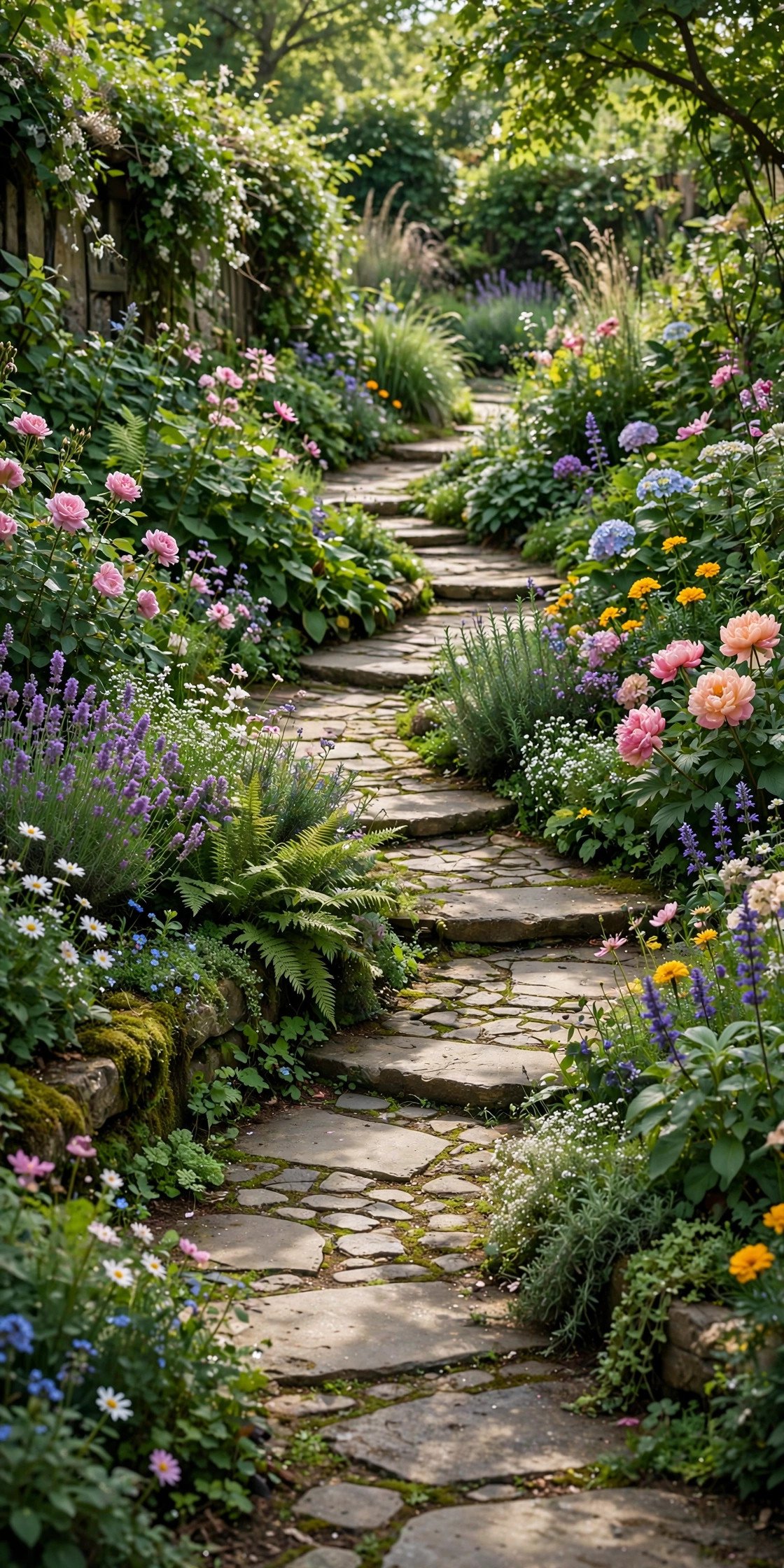
A path gives your garden a journey. Whether it’s stepping stones, gravel, or brick, a defined walkway draws visitors in and makes the garden feel larger by revealing it gradually. Curve paths gently — a curve hides what’s ahead and creates a sense of discovery that straight lines can’t match.
Soften path edges by letting low plants like creeping thyme or lamb’s ear spill over slightly. Make paths wide enough to walk comfortably — at least three feet for a main route. A garden with a clear, inviting path feels twice as big and ten times more welcoming.
5. Fill Gaps with Containers
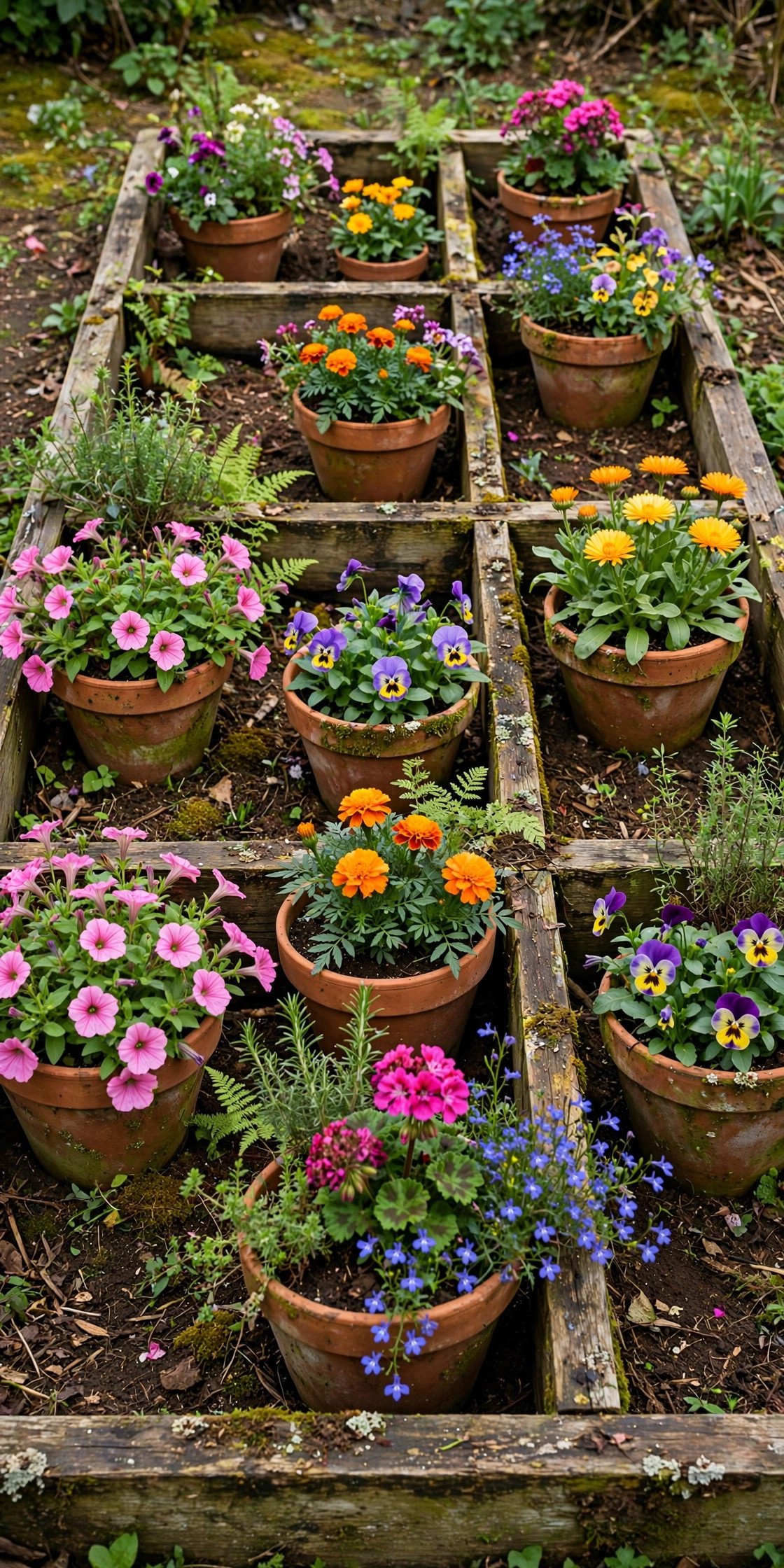
Every garden has awkward gaps — a bare corner, the space beside the steps, a dull stretch of fence. Containers are the instant fix. A large pot overflowing with seasonal color can fill a hole in the design in minutes, and you can rearrange pots as the garden evolves through the year.
Group containers in odd numbers and vary their heights for a natural look. Use the thriller-filler-spiller formula: one upright star plant, mounding flowers around it, and trailers cascading over the rim. Pots let you experiment with bold plants you’d hesitate to commit to the ground.
6. Mix Textures, Not Just Colors
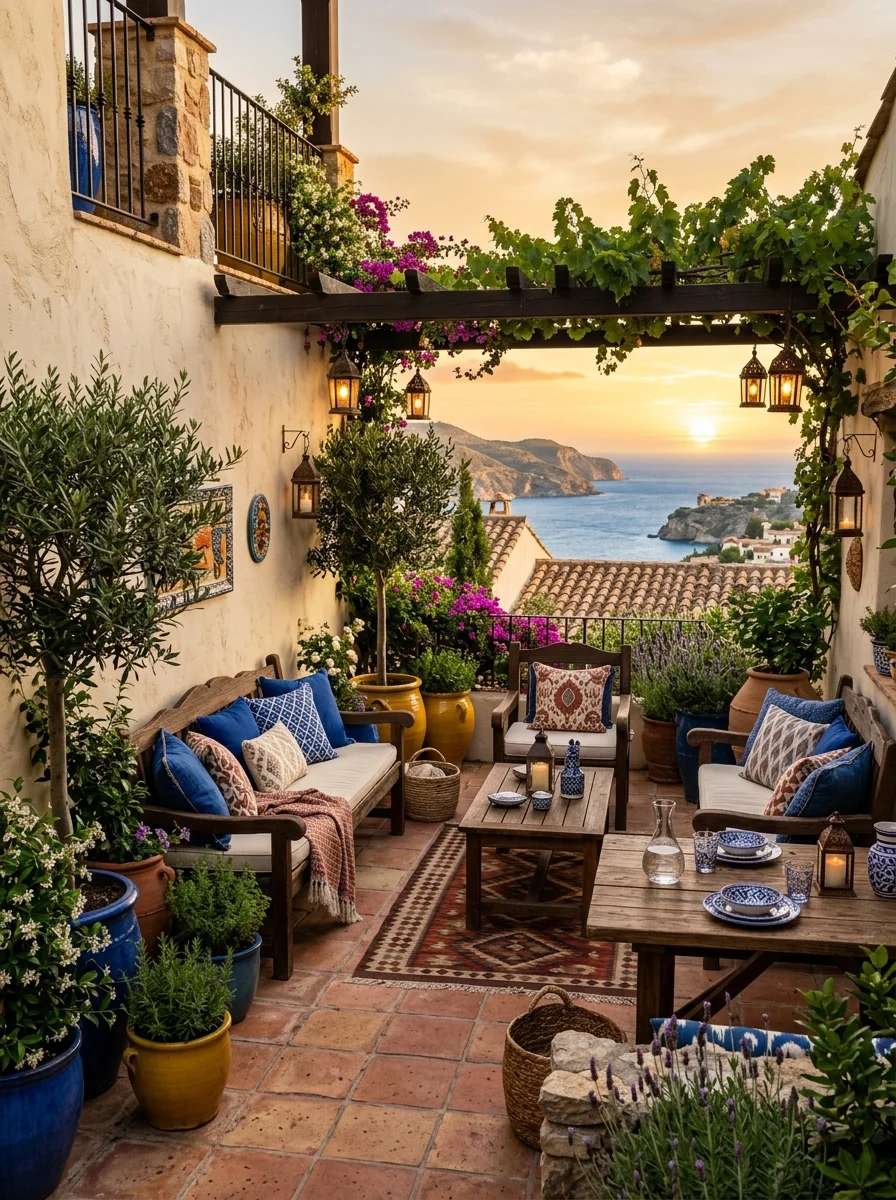
Gardens that wow from spring to fall lean on foliage texture, not just flowers. Pair feathery grasses with bold hosta leaves, fine ferns with chunky hydrangea blooms, silvery artemisia with deep green boxwood. Contrasting textures create visual excitement even when nothing is blooming.
This is also the secret to winter interest: ornamental grasses, seed heads, and evergreen foliage keep the garden beautiful after flowers fade. When you shop, run your fingers over leaves and ask how each plant’s texture contrasts with its neighbors. Texture is the designer’s quiet superpower.
7. Light the Garden After Dark
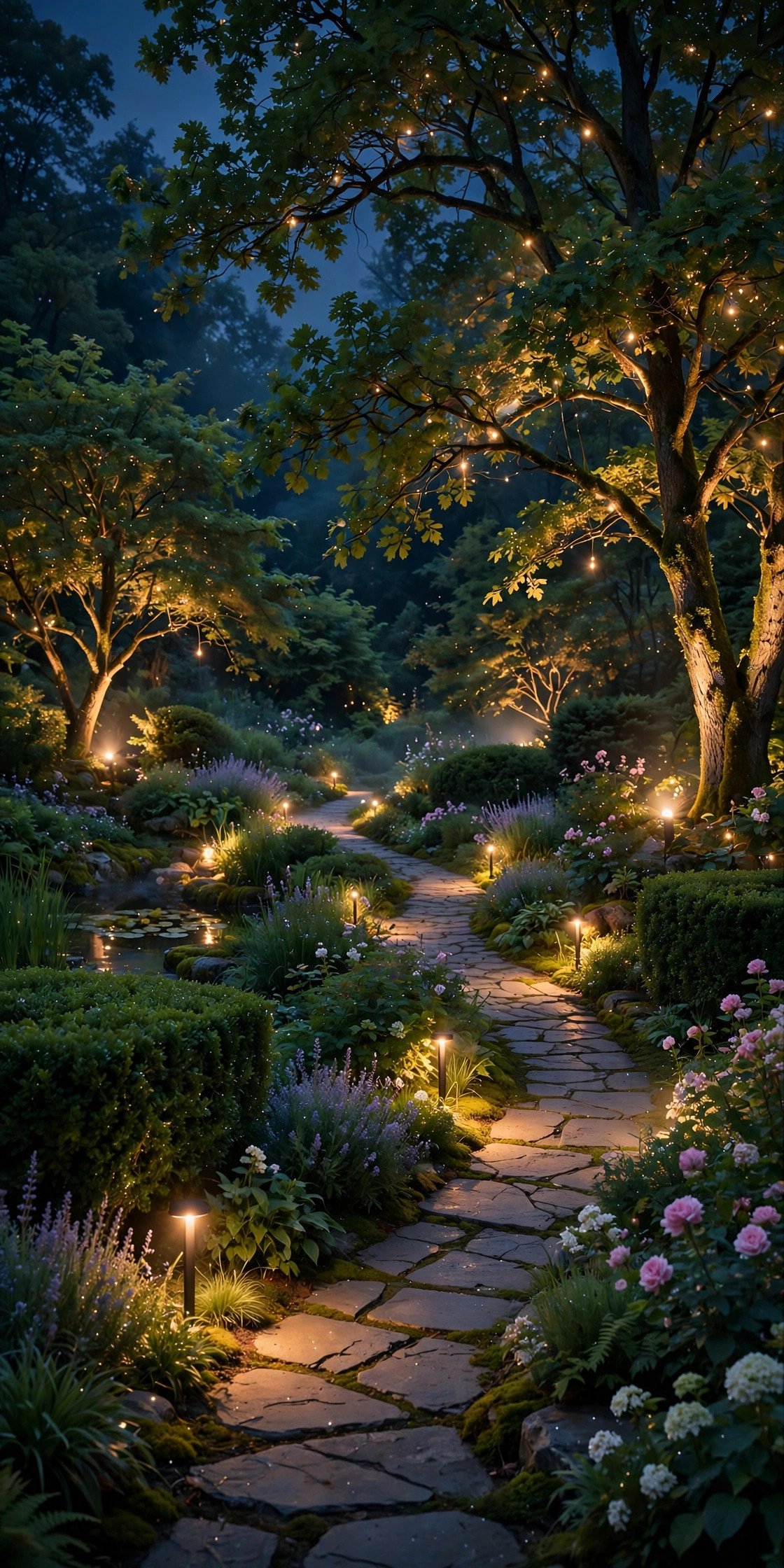
A garden you can only enjoy by daylight is a garden you’re missing half of. A few well-placed lights — uplights at the base of a beautiful tree, path lights along the walkway, a lantern on the patio table — transform the space into an evening destination. Warm light on foliage looks utterly magical.
Solar fixtures make this easy with no wiring required. Light one dramatic specimen plant as your nighttime focal point, then add gentle path lighting for safety. You’ll find yourself lingering outside after dinner far more often, which is the whole point of a beautiful garden.
8. Add the Sound of Water
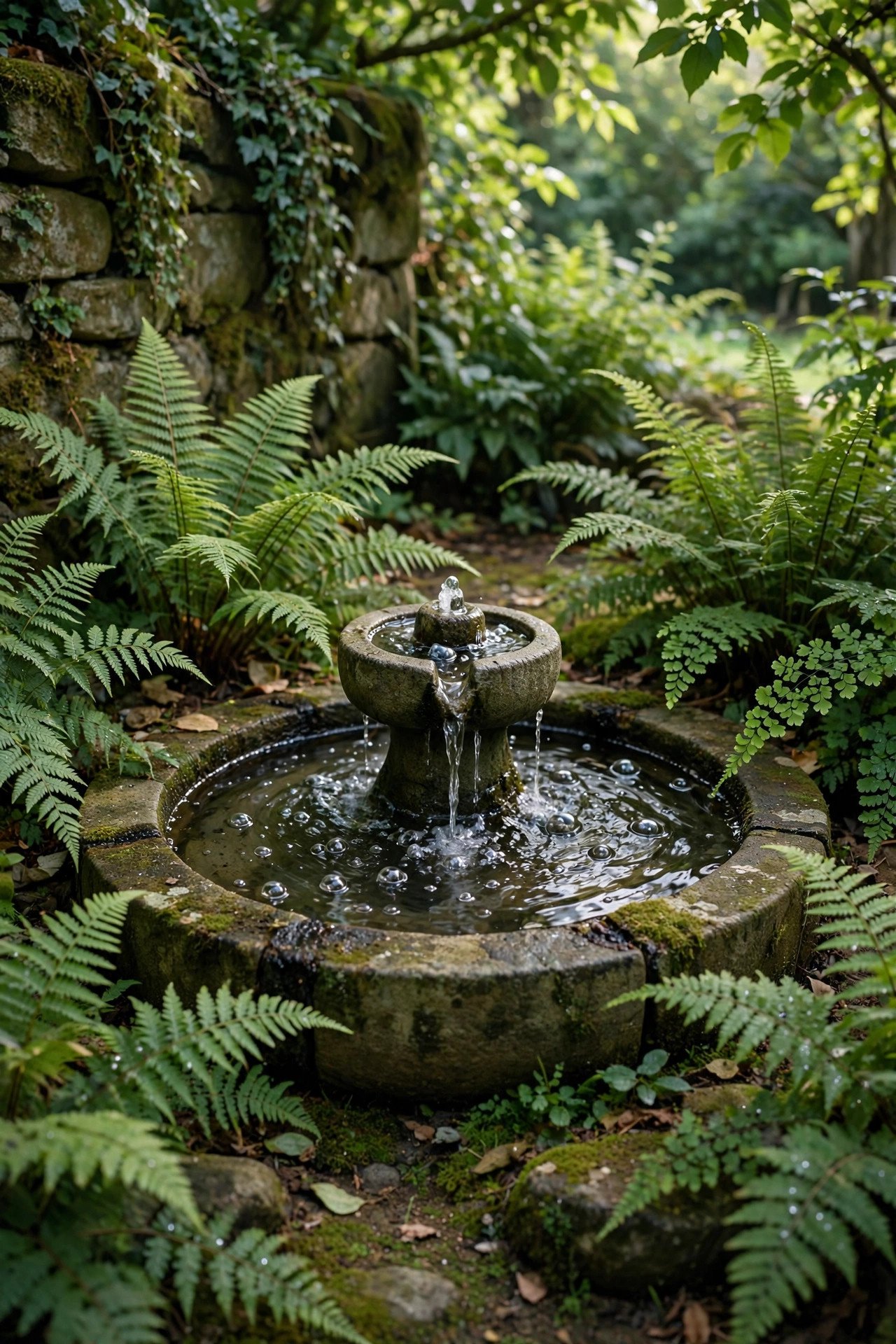
Moving water adds a dimension no plant can: sound. A small bubbling urn, a wall fountain, or a simple birdbath with a solar bubbler brings gentle music to the garden while attracting birds. The sound masks traffic noise and instantly lowers your blood pressure.
Place water where you can hear it from your favorite seat, and keep the scale modest — a gentle burble soothes while a roaring cascade overwhelms. Surround it with moisture-loving plants and smooth stones so it looks like it’s always belonged there.
9. Create Distinct Garden Rooms
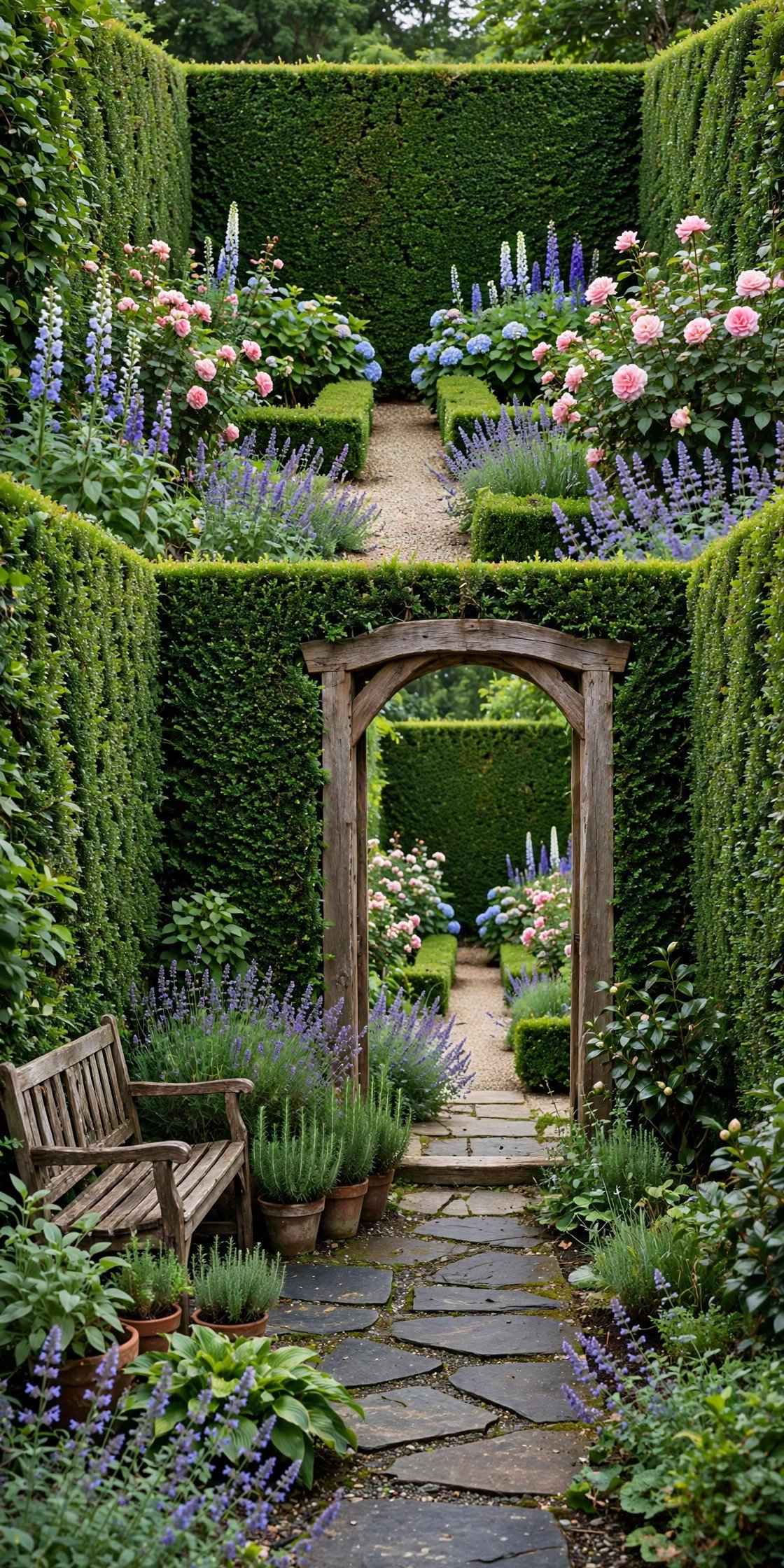
Even a modest yard feels larger when divided into “rooms” with different moods. A low hedge, a change in paving, or an arbor can separate a sunny flower garden from a shady reading nook. Each area gets its own character, and moving between them feels like a small journey.
You don’t need walls — a row of tall grasses, a trellis panel, or even a distinct ground cover signals the transition. Give each room a purpose: dining, lounging, growing, or simply sitting. Defined spaces make a garden feel abundant rather than exposed.
10. Anchor with Evergreens
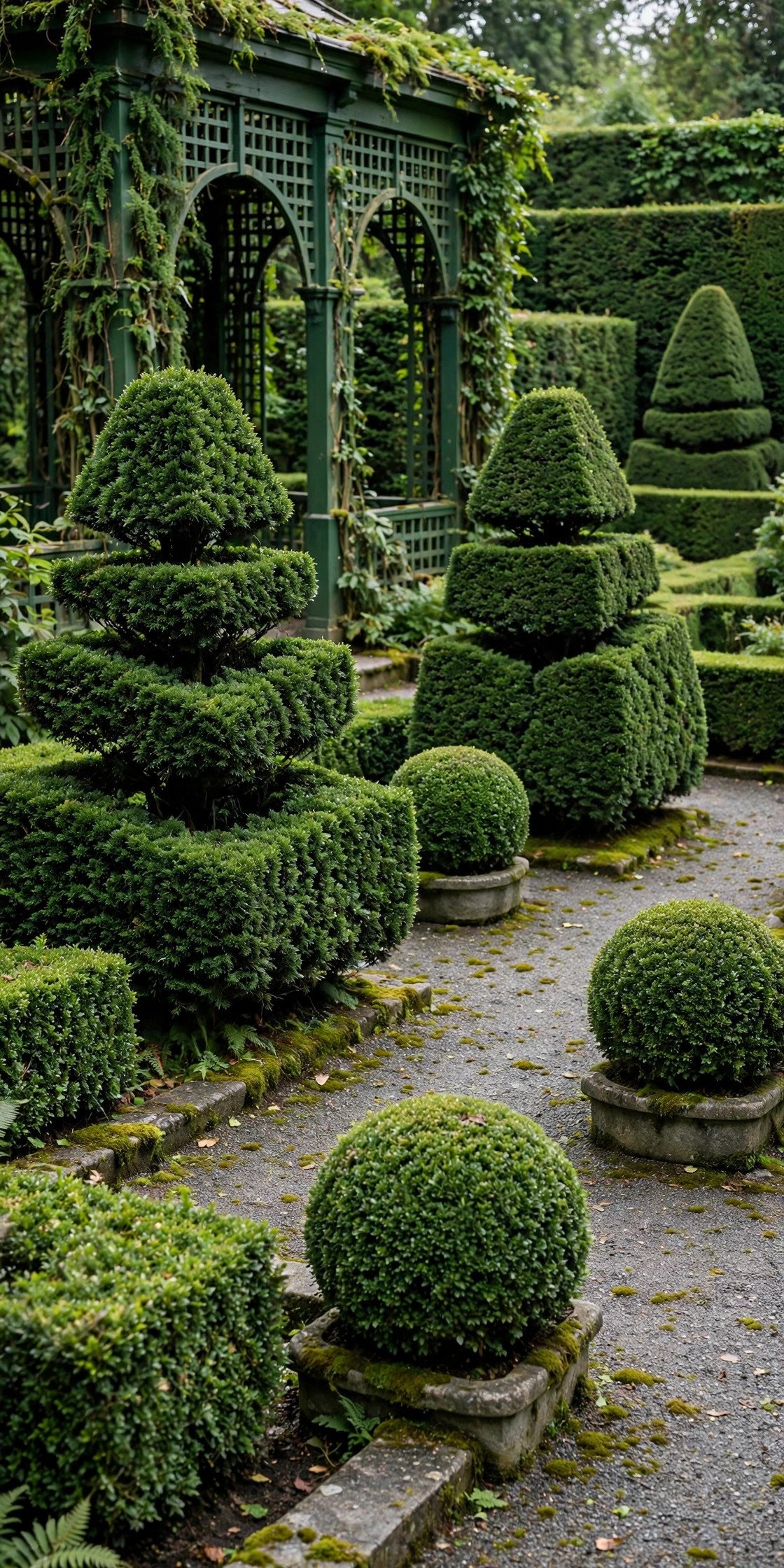
Evergreens are the backbone of a garden that looks good twelve months a year. Boxwood balls, dwarf conifers, and broadleaf evergreens give beds structure in winter when perennials vanish. They also provide the dark green backdrop that makes summer flowers appear more vivid.
Use evergreens to mark key spots — flanking an entrance, punctuating the corners of beds, or lining a path. Clip them into simple spheres or cones for a formal note, or let them grow naturally for a relaxed feel. A garden without evergreens is a garden that disappears for half the year.
11. Grow Up with Trellises and Arbors
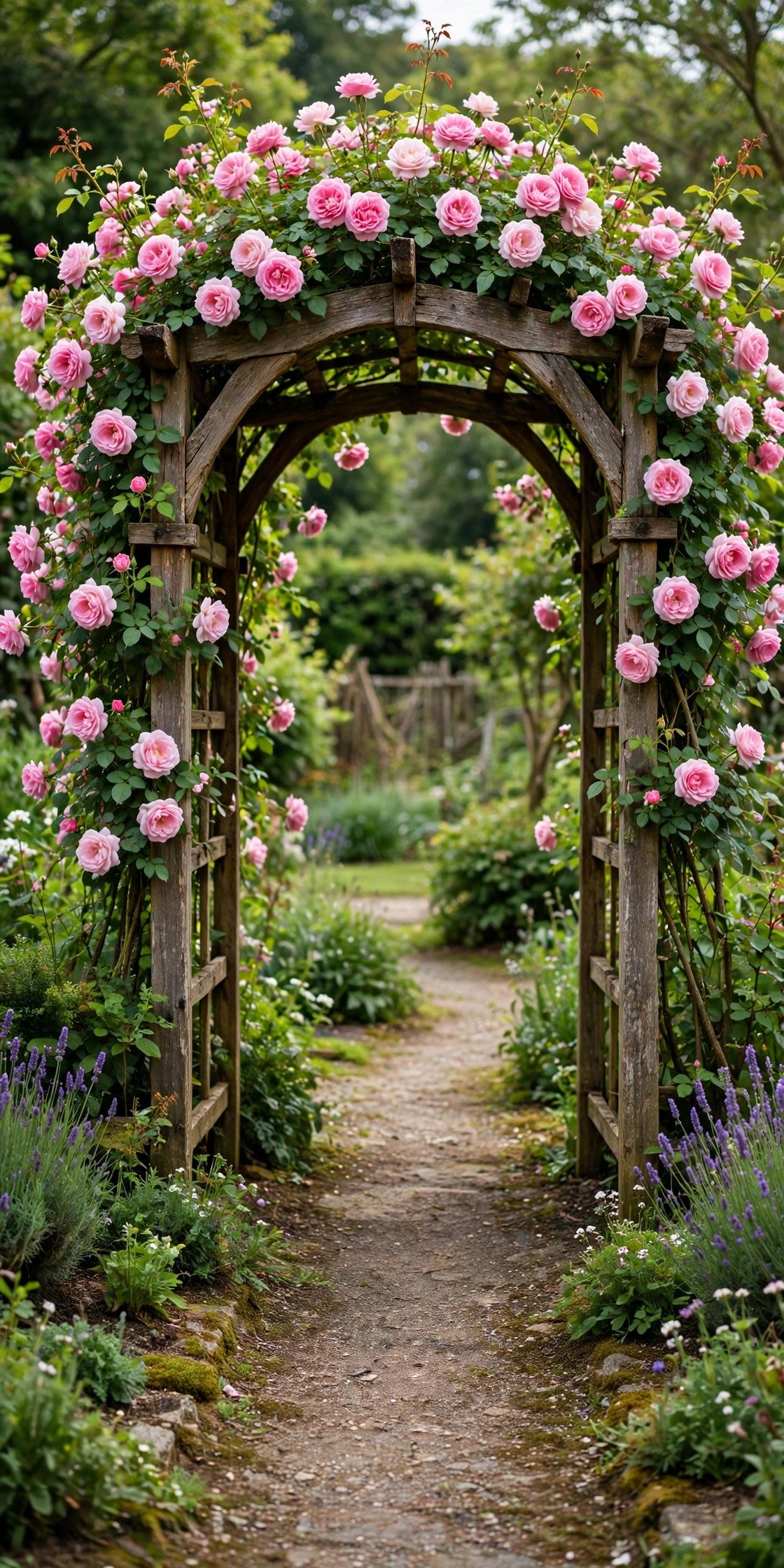
Vertical elements add drama and multiply your planting space. A trellis covered in clematis, an arbor dripping with roses, or a simple obelisk wrapped in sweet peas draws the eye upward and makes the garden feel enveloping rather than flat. Height is the fastest way to add wow factor.
Place arbors where they frame a view — over a path entrance or at the end of a vista. Even one beautiful trellis against a blank fence changes the whole character of a boundary. Vertical gardening also keeps flowers at nose level, where their scent and detail can be fully appreciated.
12. Edge Every Bed
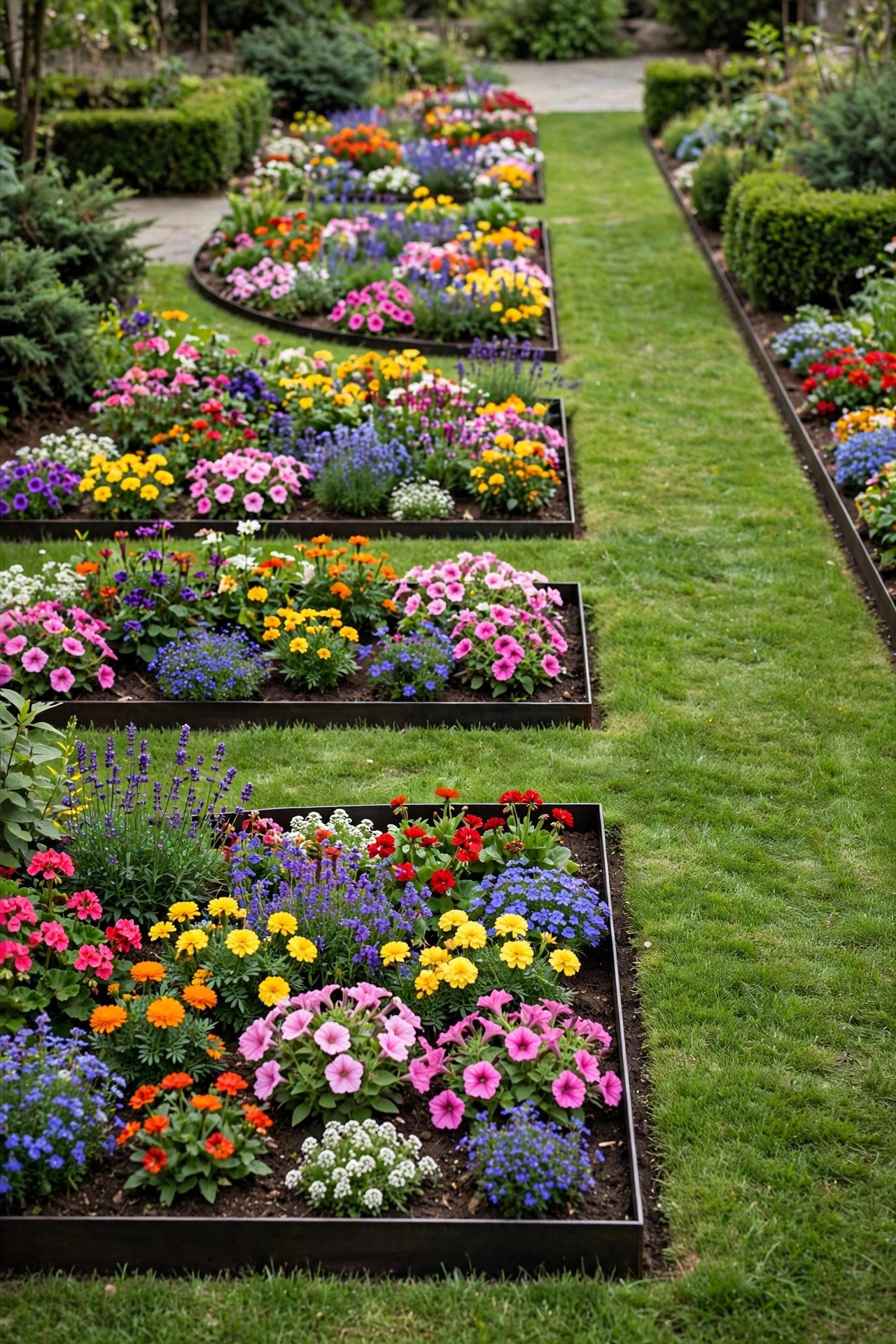
Crisp edges are the difference between a garden that looks loved and one that looks lumpy. A clean line between lawn and bed, cut with a half-moon edger, makes plantings look sharp and deliberate. It’s the garden equivalent of ironing a shirt — the same contents, vastly better presentation.
Re-cut edges each spring and maintain them monthly with a quick trim. Stone or steel edging gives a permanent crisp line with less upkeep. This simple discipline elevates everything inside the bed, from the humblest marigold to the proudest rose.
13. Mulch Like You Mean It
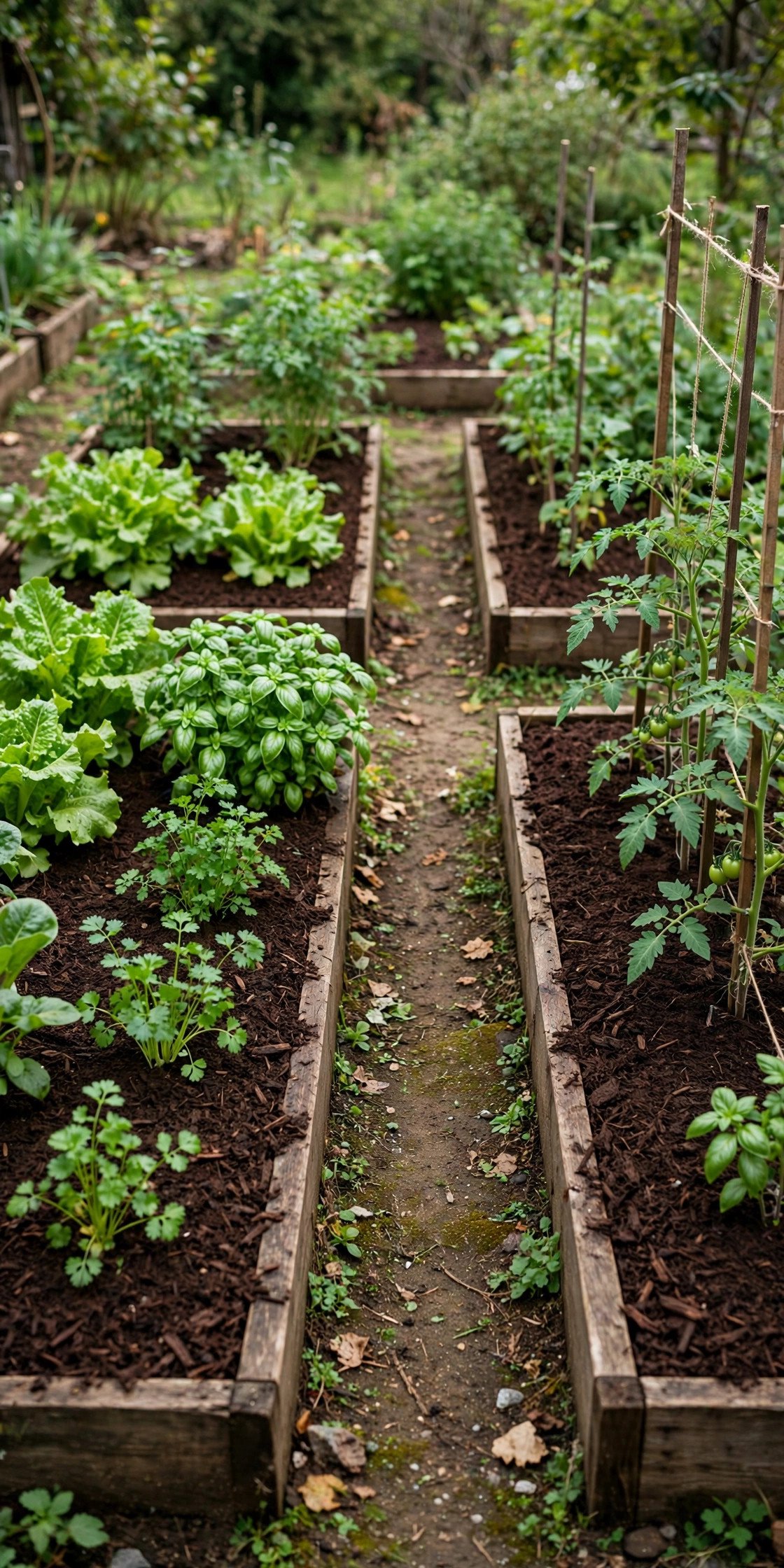
A generous layer of mulch is the fastest way to make beds look finished. Dark bark mulch sets off green foliage, suppresses weeds, and holds moisture — all while giving the garden that rich, freshly-tended look. Skimpy, patchy mulch does the opposite, so apply a full three inches.
Top up mulch each spring before weeds get going. Keep it pulled back slightly from stems and trunks to prevent rot. The deep brown background makes every leaf and petal stand out, which is why professionally maintained gardens always look freshly mulched.
14. Add Seating Inside the Garden
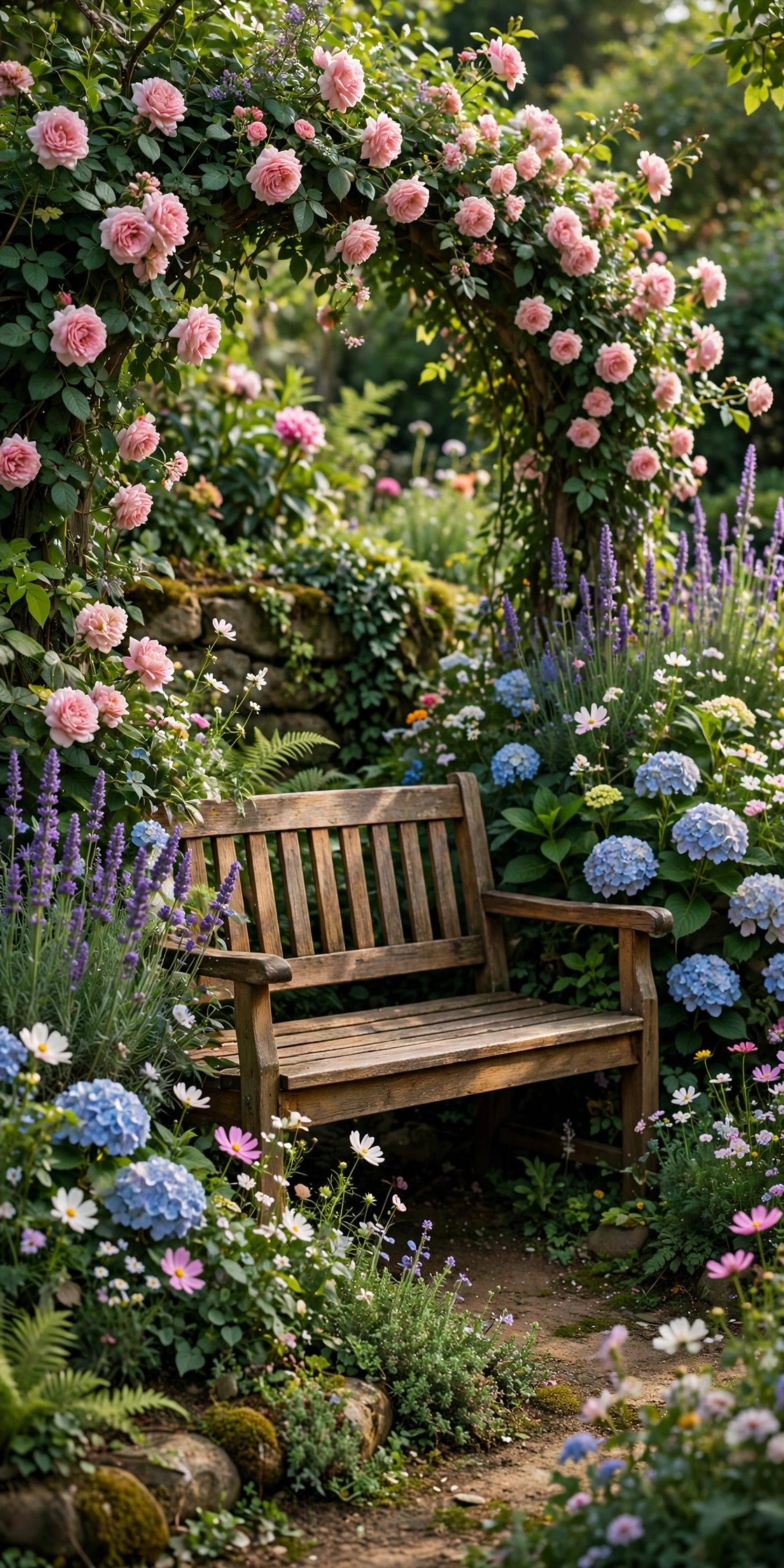
A garden becomes a destination when there’s somewhere to sit within it. Tuck a bench under a flowering tree, place two chairs facing the best border, or set a bistro set beside the herb bed. Seating invites you to slow down and actually experience the garden rather than just glancing at it.
Choose weather-resistant pieces and style them simply — a cushion and a small side table are enough. Position seats to face the garden’s best view, not the house. A garden with seating gets used, and a used garden gets loved into ever-greater beauty.
15. Weave in Garden Art
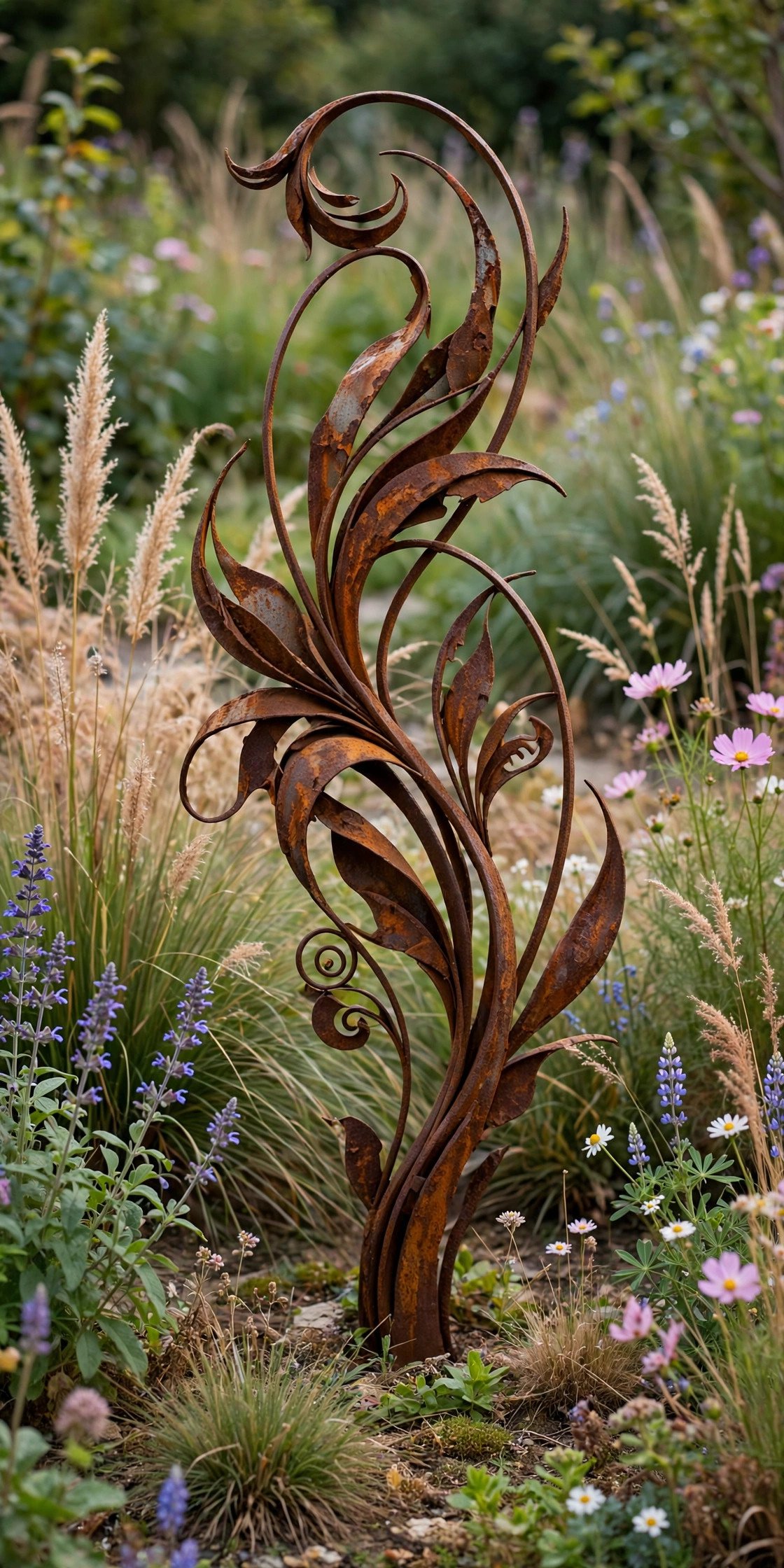
Thoughtful art gives a garden personality and year-round interest. A sculptural piece half-hidden among ferns, a colorful mosaic birdbath, or handmade stepping stones add the human touch that separates a garden from mere landscaping. Choose pieces that weather gracefully and suit your garden’s mood.
Less is more — one or two well-placed pieces beat a cluttered collection. Let plants partially embrace the art so it feels discovered rather than displayed. The best garden art looks inevitable, as if the garden simply grew around it.
16. Plant for Fragrance
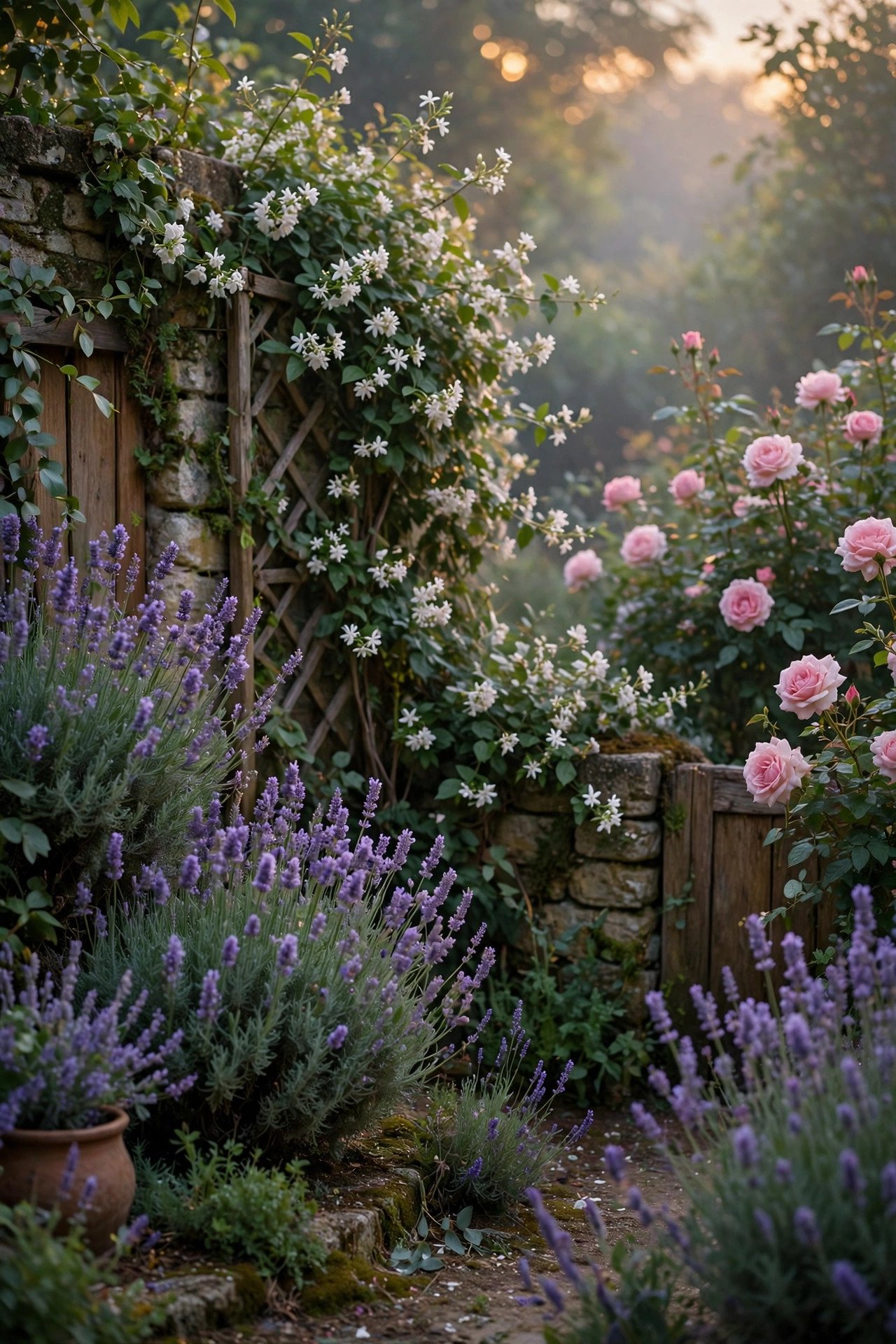
A garden that smells wonderful is unforgettable. Position fragrant plants where you’ll brush past them: lavender along a path, jasmine near the seating area, roses by the door. Scent is processed by the brain’s memory center, which is why a fragrant garden feels like home in a way a merely pretty one doesn’t.
Layer fragrances through the seasons — daphne in late winter, lilac in spring, roses and jasmine in summer, witch hazel in fall. Include night-scented plants like moonflower near evening seating. Fragrance turns a visual experience into a full-sensory one.
17. Welcome Pollinators
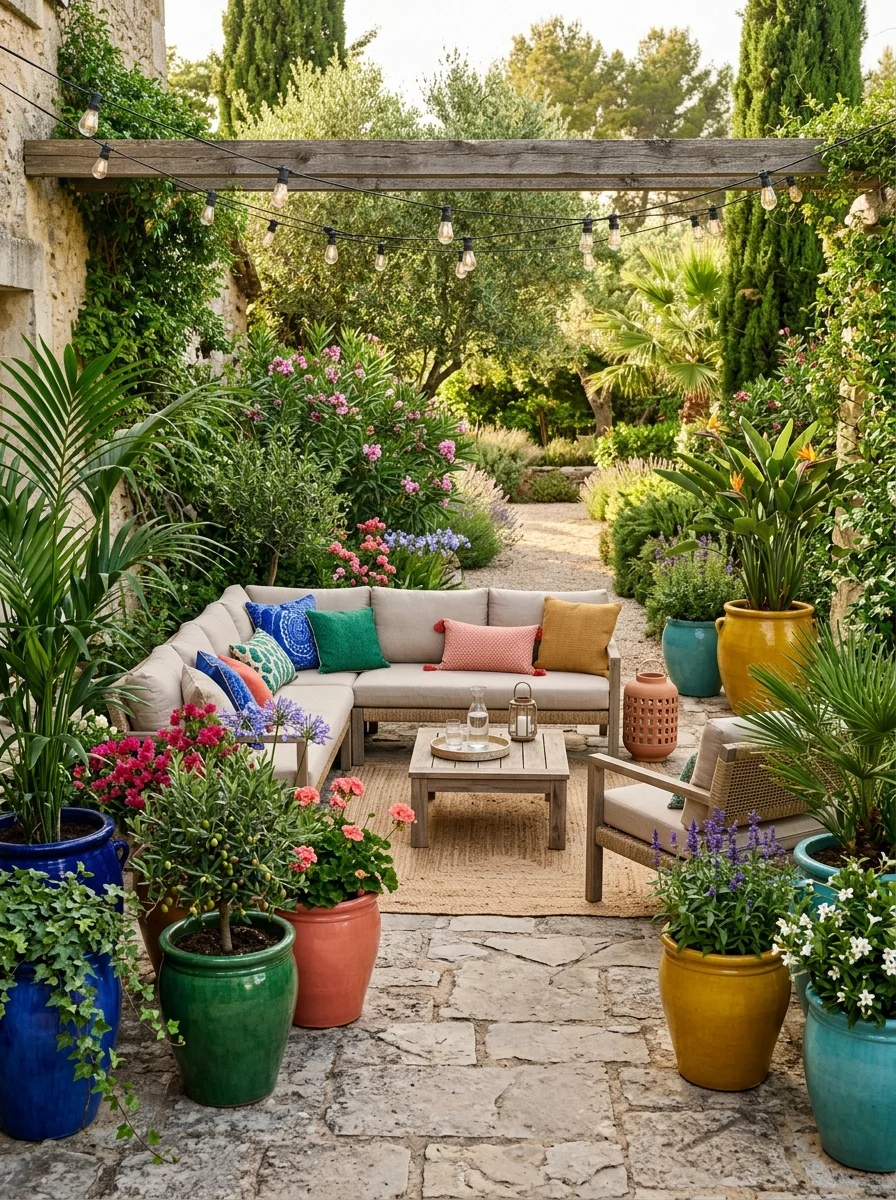
A garden buzzing with bees and fluttering with butterflies feels alive in a way nothing else replicates. Plant drifts of pollinator favorites — coneflowers, salvia, bee balm, lavender — and avoid pesticides that harm them. You’ll be rewarded with better blooms, since pollinated flowers set seed and return stronger.
Add a shallow water dish with pebbles for drinking bees and leave some bare soil for ground-nesting species. Watching pollinators at work becomes its own entertainment. A garden that supports life feels vibrant and purposeful — and it does genuine good for the local ecosystem.
18. Keep a Simple Maintenance Rhythm
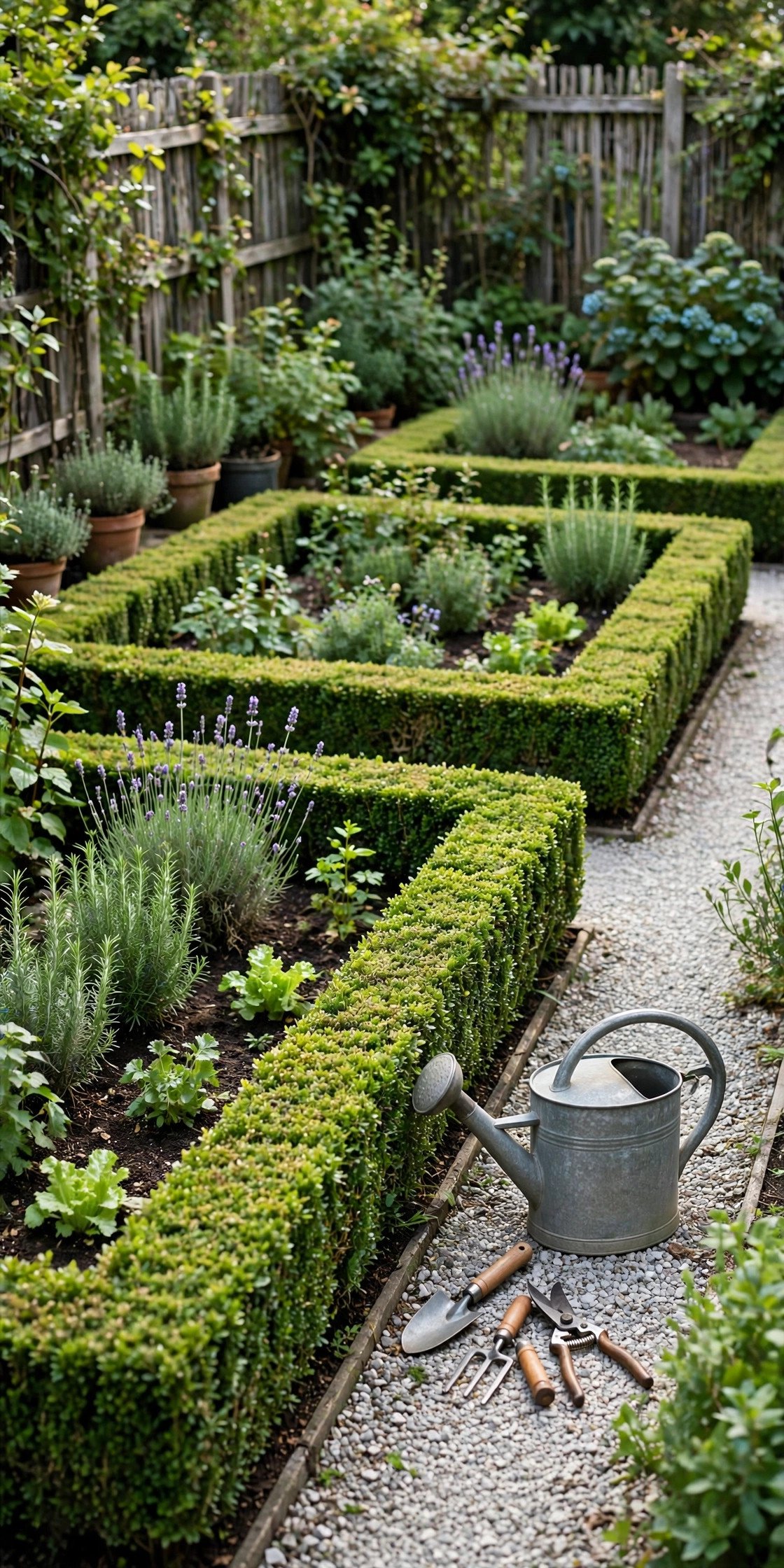
The most beautiful gardens aren’t the most elaborate — they’re the most consistently cared for. A simple weekly rhythm of deadheading spent blooms, pulling a few weeds, and watering deeply beats occasional marathon sessions. Fifteen minutes with a cup of tea, twice a week, keeps everything looking loved.
Choose plants suited to your conditions so maintenance stays joyful rather than desperate. Mulch well, water wisely, and feed lightly. A modest garden that’s always tidy outshines an ambitious one that’s always behind. Consistency is the ultimate garden decor secret.
Beautiful gardens are built tip by tip, season by season. Start with the ideas that excite you most — perhaps the glow of evening lighting or the scent of roses by the door — and let your garden grow into its full character. Before long, your outdoor space will be the beautiful, living heart of your home.

Ahmad is the founder and writer behind Valmora Decor, a home decor blog packed with practical ideas for beautiful, livable spaces. From cozy bedrooms to inviting outdoor areas, he shares easy-to-follow inspiration for every corner of the home.