
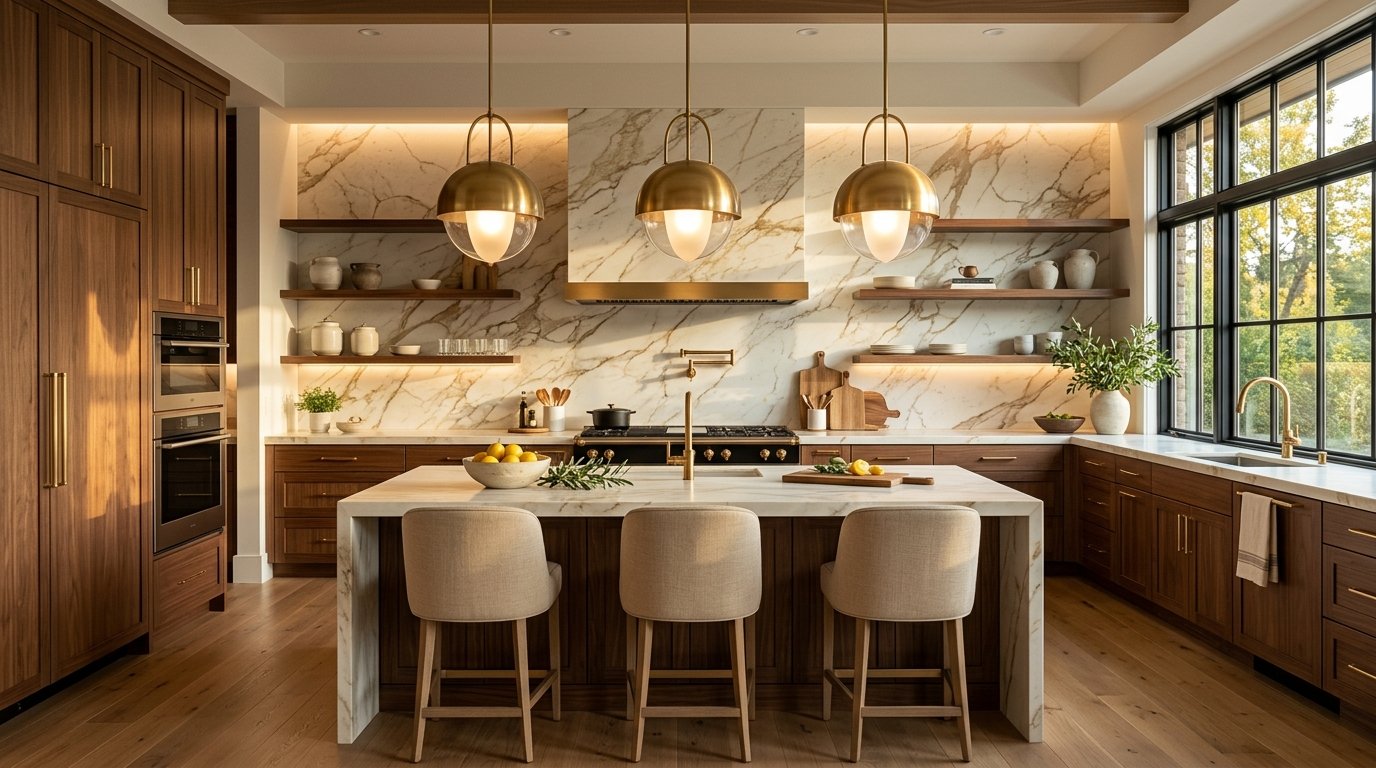
A backsplash can completely change the personality of a kitchen. It protects the wall behind your counters, but it can also introduce color, texture, pattern, and a beautiful sense of craftsmanship. In a well-designed kitchen, the backsplash often becomes the detail that makes everything else feel connected.
Whether you love timeless marble, handmade tile, warm natural stone, or something a little more dramatic, these 26 backsplash designs offer stylish ways to make your kitchen feel more polished and personal. The key is choosing a finish that works with your cabinets, countertops, lighting, and the overall mood you want to create.
1. Classic White Subway Tile
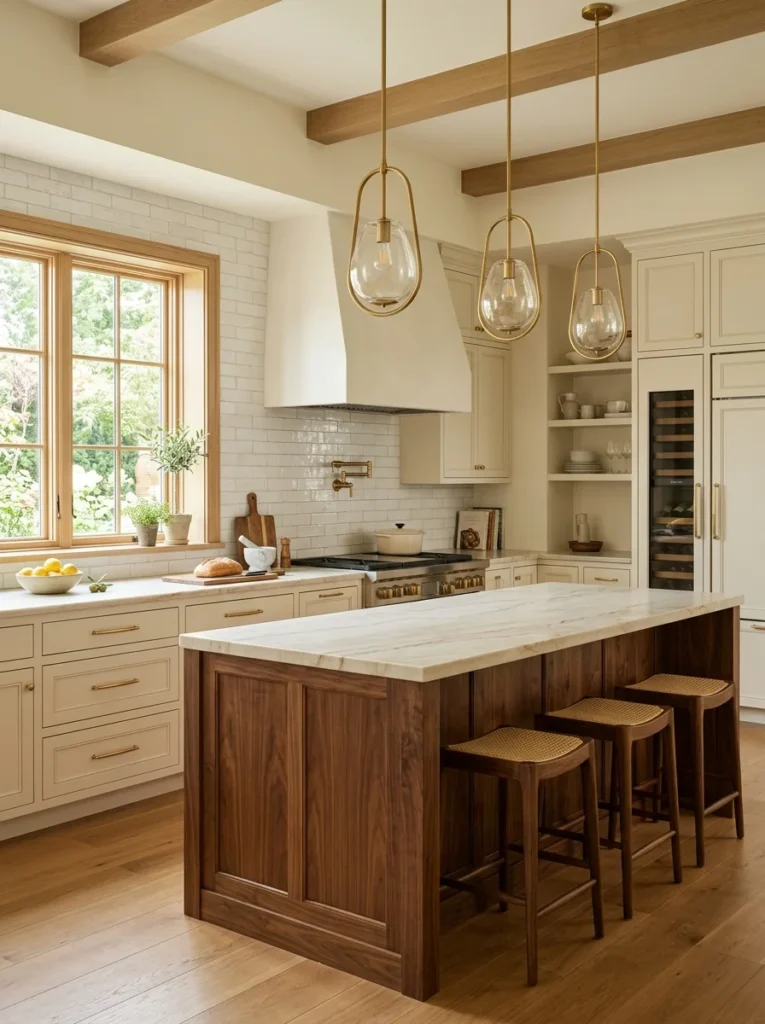
White subway tile remains popular because it offers a clean backdrop that works with almost any kitchen style. Choose a handmade version with subtle variations for a more elevated appearance.
Pair it with warm wood cabinetry, creamy counters, and brass hardware to keep the kitchen feeling inviting rather than overly clinical.
2. Dramatic Marble Slab
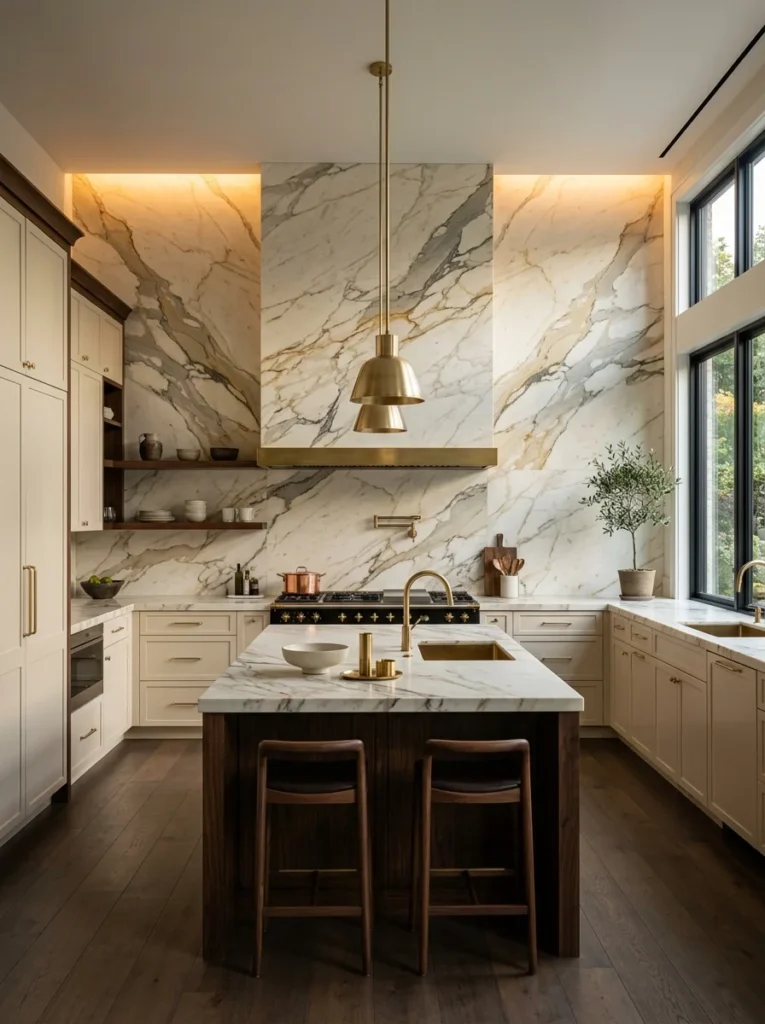
A full marble slab creates an unmistakable luxury statement. Instead of interrupting the stone with grout lines, allow the natural veining to flow continuously behind the range and across the countertop.
Pair dramatic marble with simple cabinetry so the stone becomes the hero of the room.
3. Zellige Tile Backsplash
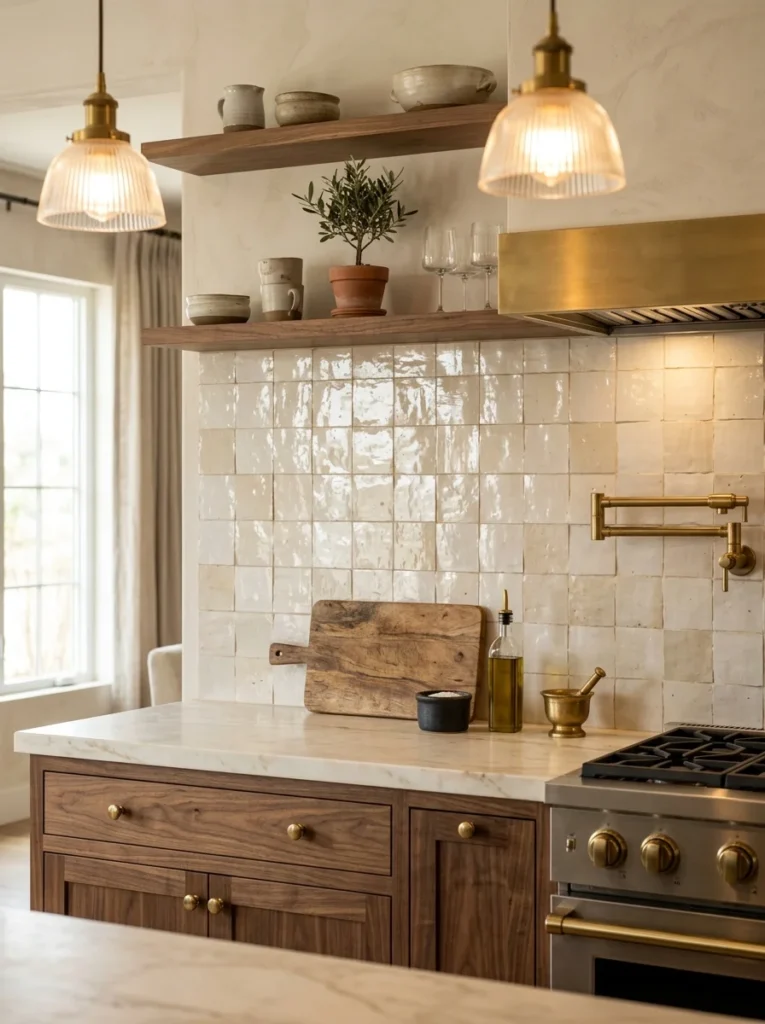
Handmade zellige tile brings beautiful variation and texture to the kitchen. Its slightly irregular surface catches light differently across every tile.
Soft white, cream, sage, and muted blue are especially versatile. Pair the backsplash with natural wood and aged brass for a warm, collected look.
4. Green Tile Backsplash
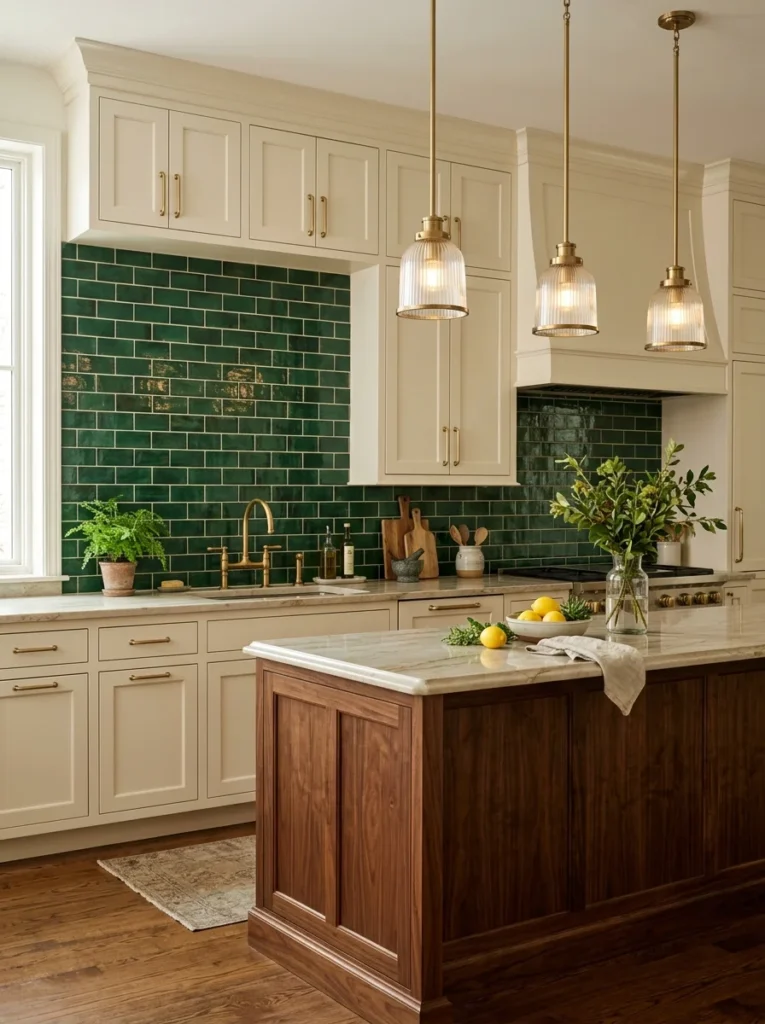
A rich green backsplash can introduce personality without requiring colorful cabinetry. Emerald, olive, or deep sage tile can create a striking focal point.
Keep surrounding surfaces relatively neutral. Warm walnut and brass are particularly effective partners for green.
5. Herringbone Tile
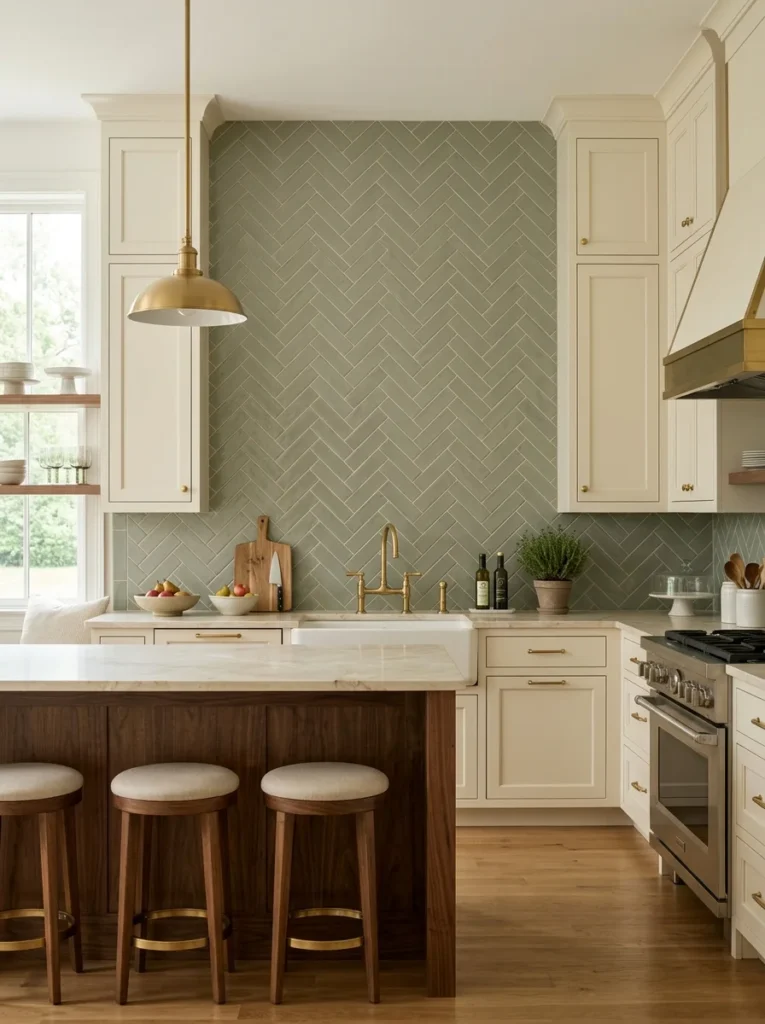
Herringbone instantly adds movement to a backsplash. Use classic white tile for a subtle effect or choose a soft blue, sage, or terracotta tile for more personality.
Keep the surrounding cabinetry simple so the directional pattern remains elegant rather than overwhelming.
6. Marble Mosaic Backsplash
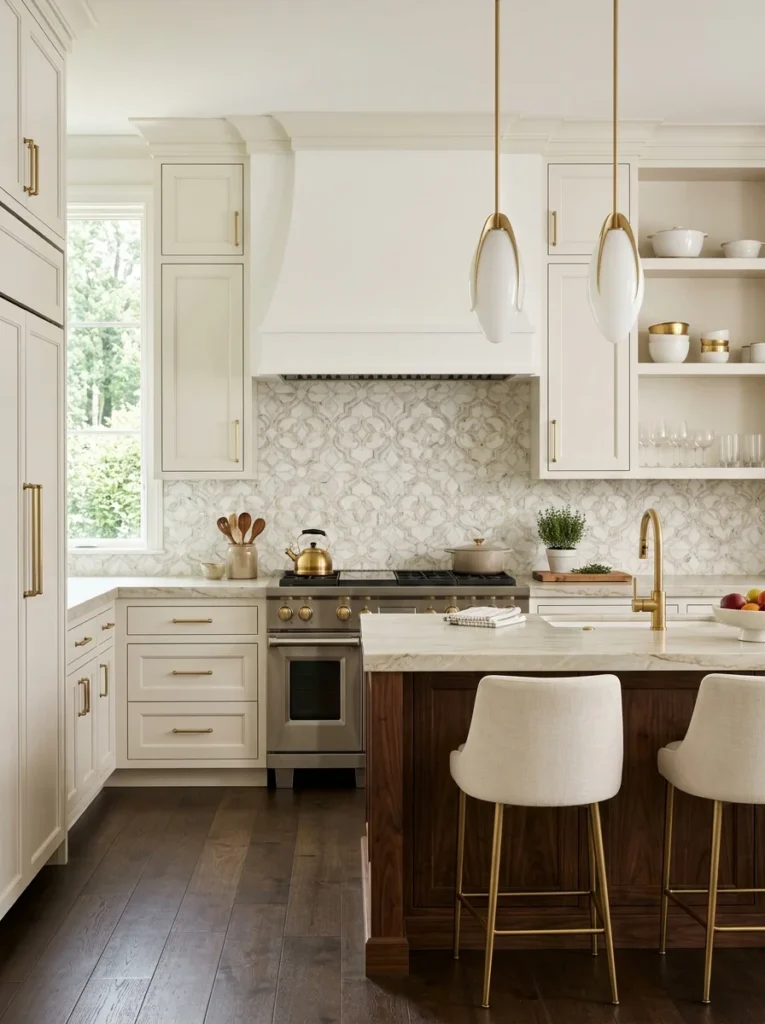
Small marble mosaics can create a refined, detailed look. Choose geometric, scalloped, or elongated shapes depending on the kitchen’s architecture.
Soft gray and cream veining can complement both modern and traditional cabinetry while adding visual texture.
7. Blue and White Backsplash
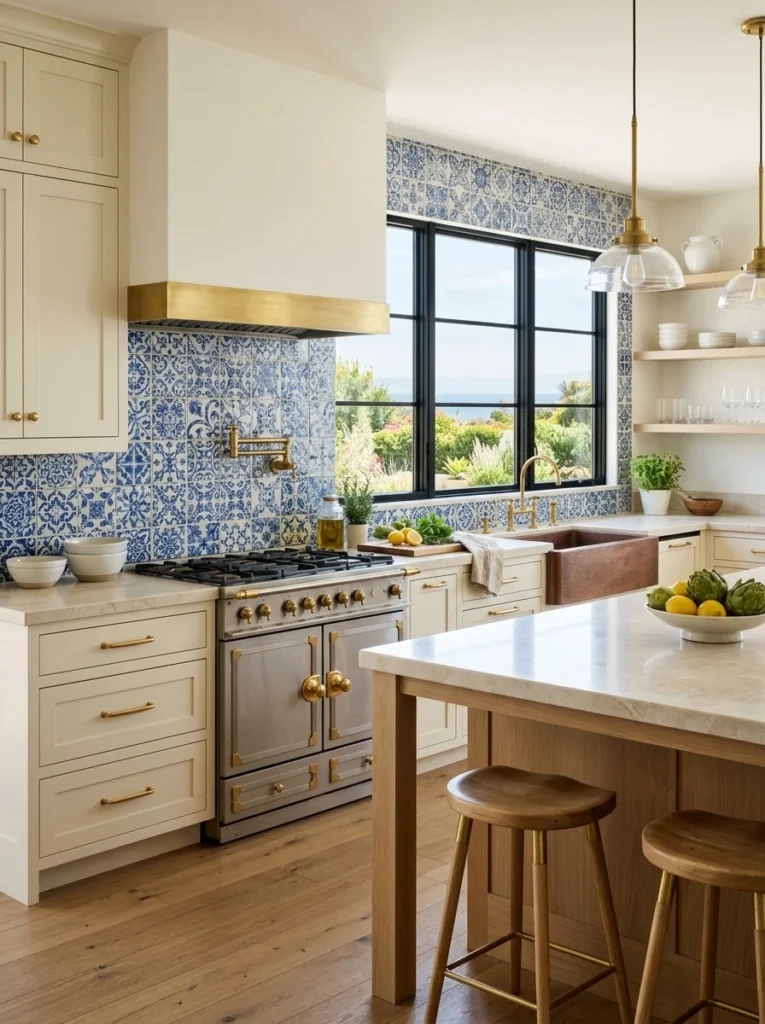
Blue and white create a timeless kitchen combination. Try hand-painted-inspired tiles, geometric patterns, or simple glossy blue tile.
Pair the backsplash with warm white cabinets and natural wood to create a fresh but comfortable atmosphere.
8. Terracotta Tile Backsplash
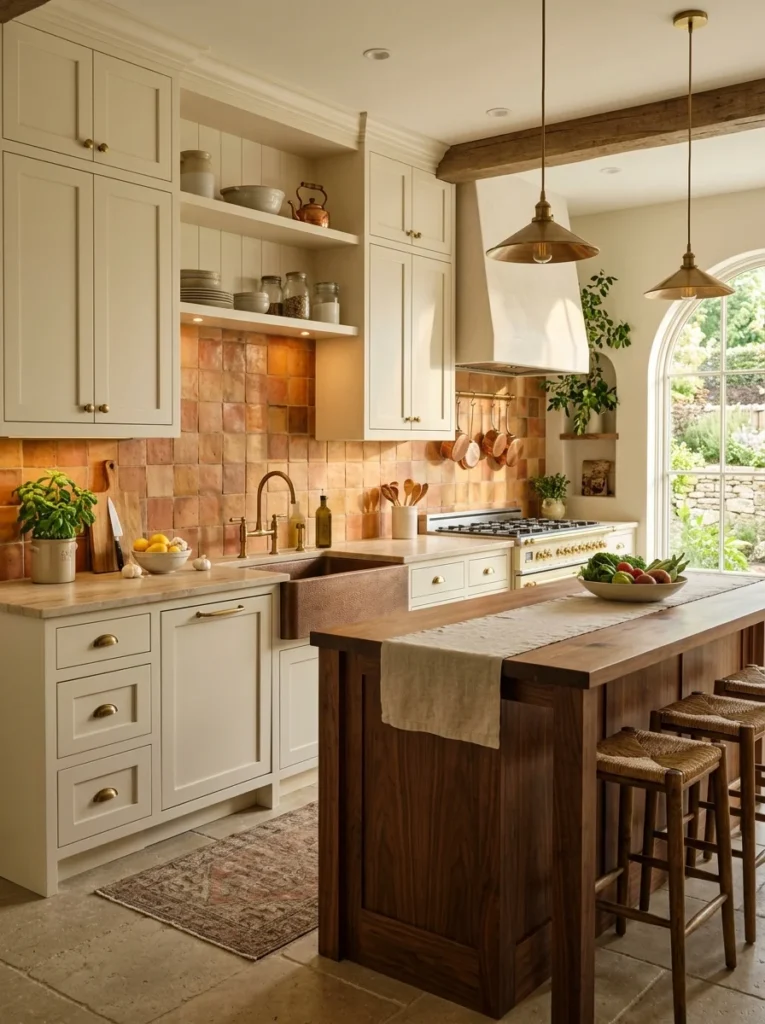
Terracotta tile brings warmth and an earthy quality to the kitchen. Choose handmade tiles with slight tonal variations for an authentic appearance.
Cream counters and walnut cabinetry balance the deeper color beautifully, creating a warm European-inspired atmosphere.
9. Fluted Stone Backsplash
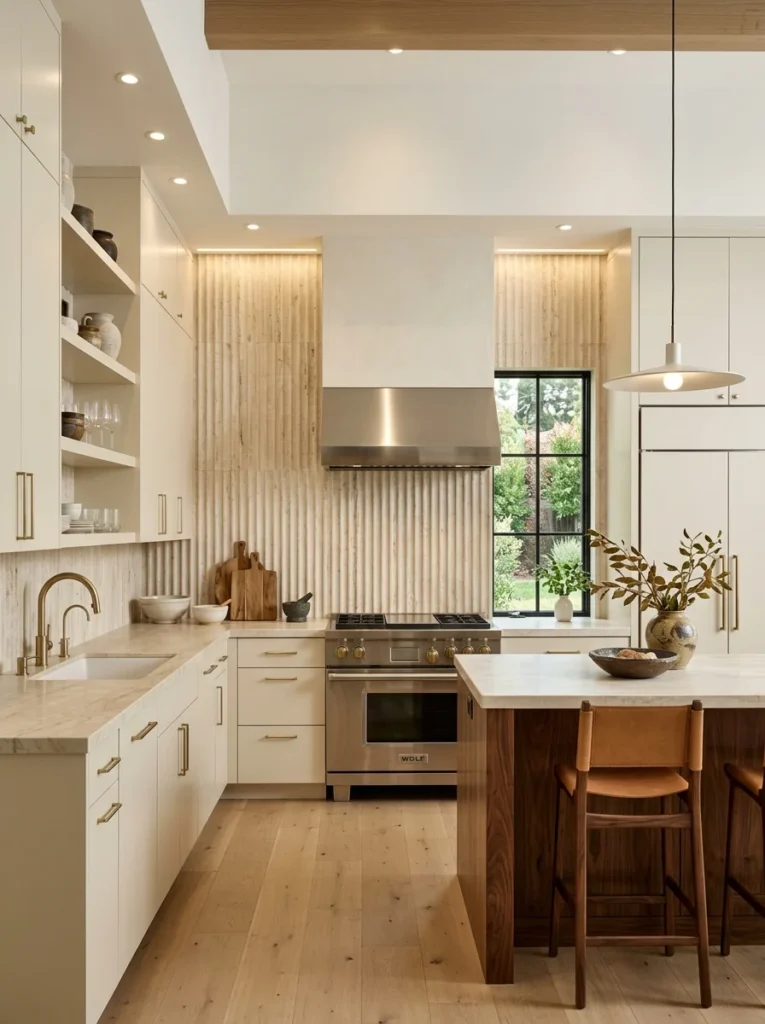
For a modern architectural look, consider a fluted or reeded stone backsplash. Vertical texture can add dimension without introducing a busy pattern.
Pair it with streamlined cabinetry, minimal hardware, and soft lighting to emphasize the texture.
10. Black and White Geometric Tile
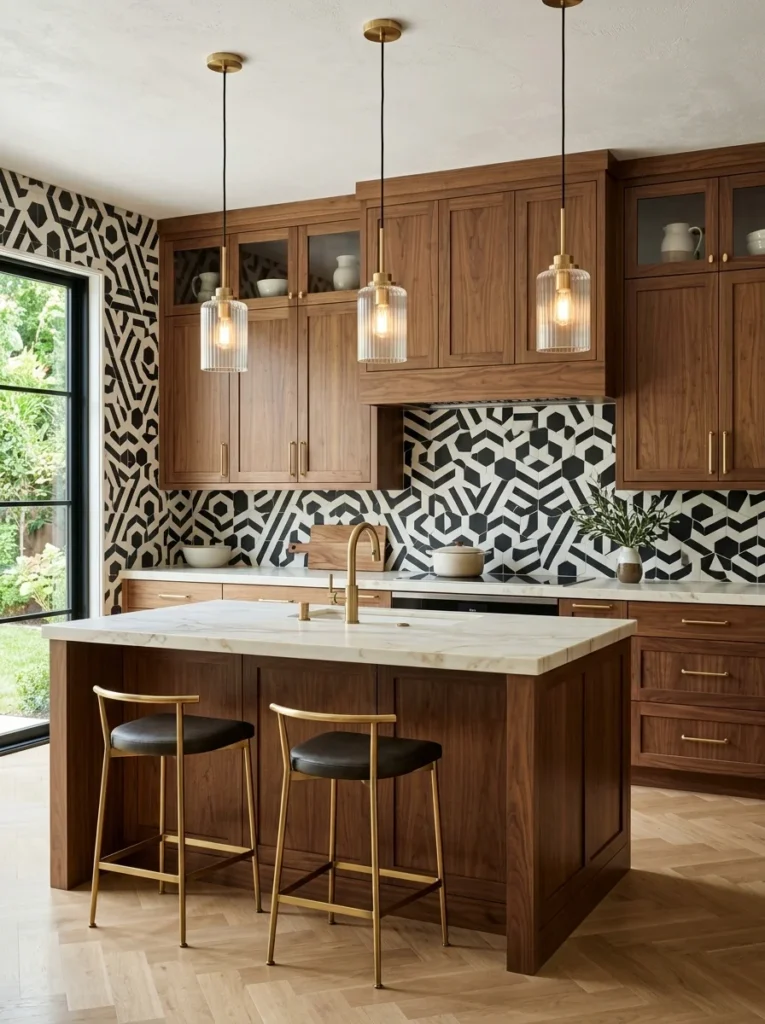
A black-and-white geometric backsplash can make a strong statement. Use a sophisticated pattern rather than an overly complicated one.
Balance it with warm wood, creamy countertops, and simple cabinetry. Brass hardware can add warmth to the monochromatic palette.
11. Neutral Stone Backsplash
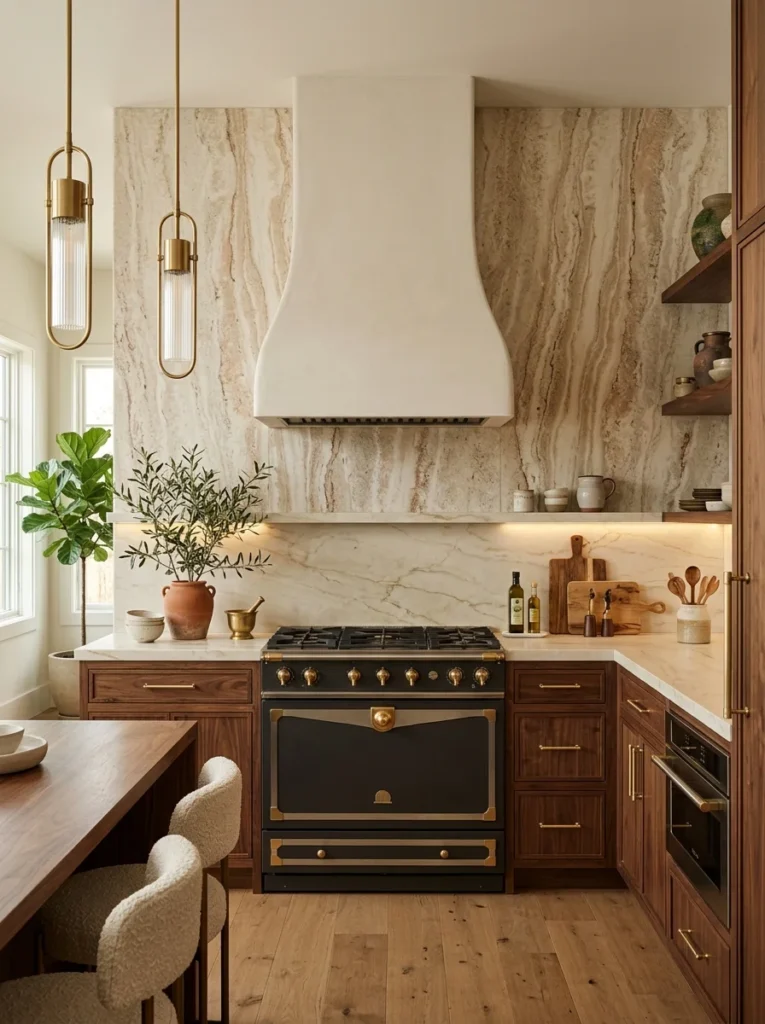
Natural stone in beige, taupe, or warm gray can create a quiet luxury kitchen. Its subtle variations add character without demanding attention.
This works particularly well with oak, walnut, cream cabinetry, and brushed-brass fixtures.
12. Full-Height Backsplash
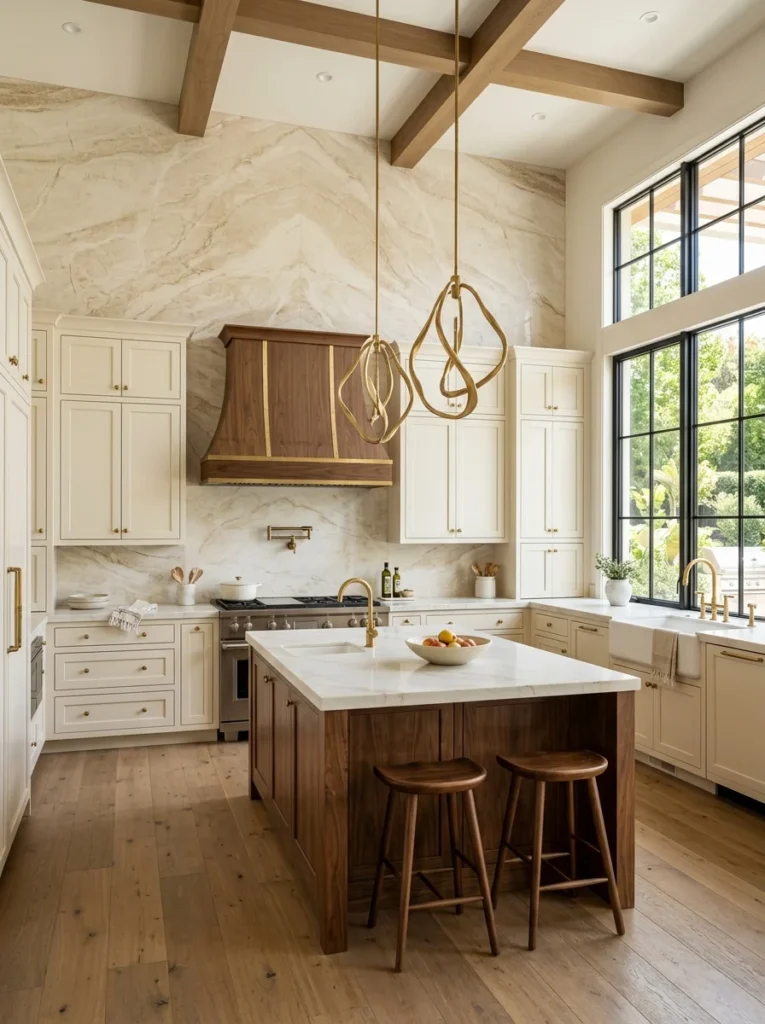
Extending the backsplash all the way to the ceiling creates a dramatic architectural effect. This approach works especially well behind a range or on a wall with open shelving.
Use a natural stone or refined tile with enough visual interest to make the vertical surface feel intentional.
13. Pink Tile Backsplash
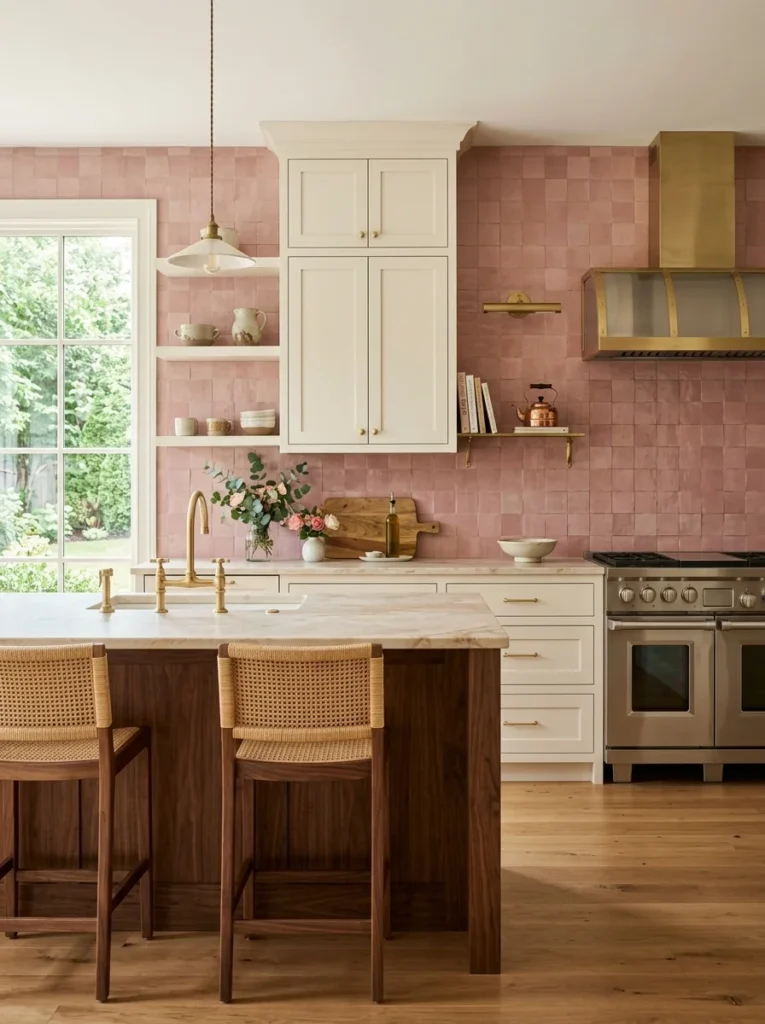
Soft blush or dusty-rose tile can make a kitchen feel unexpectedly elegant. Keep the shade muted and pair it with cream cabinetry and warm wood.
Brass hardware provides a beautiful finishing touch without competing with the subtle color.
14. Handmade Artisan Tile
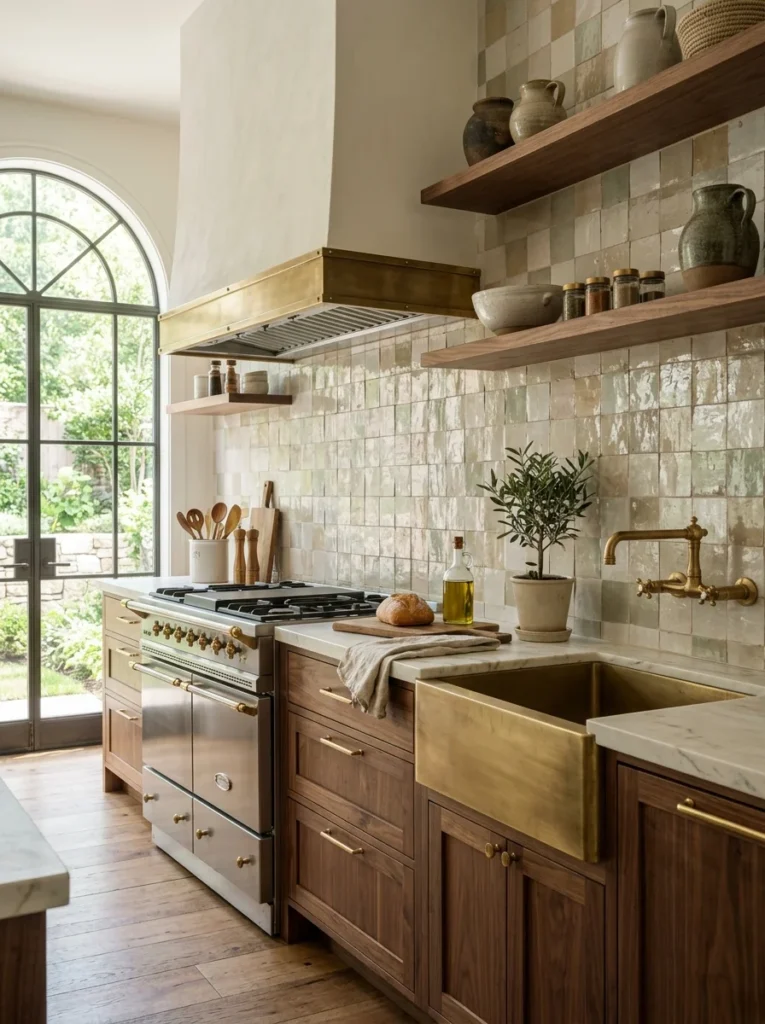
Handmade artisan tile brings individuality into the kitchen. Small variations in shape, glaze, and color make the backsplash feel crafted rather than mass-produced.
Choose a restrained palette and let the natural imperfections become part of the charm.
15. Fish Scale Tile
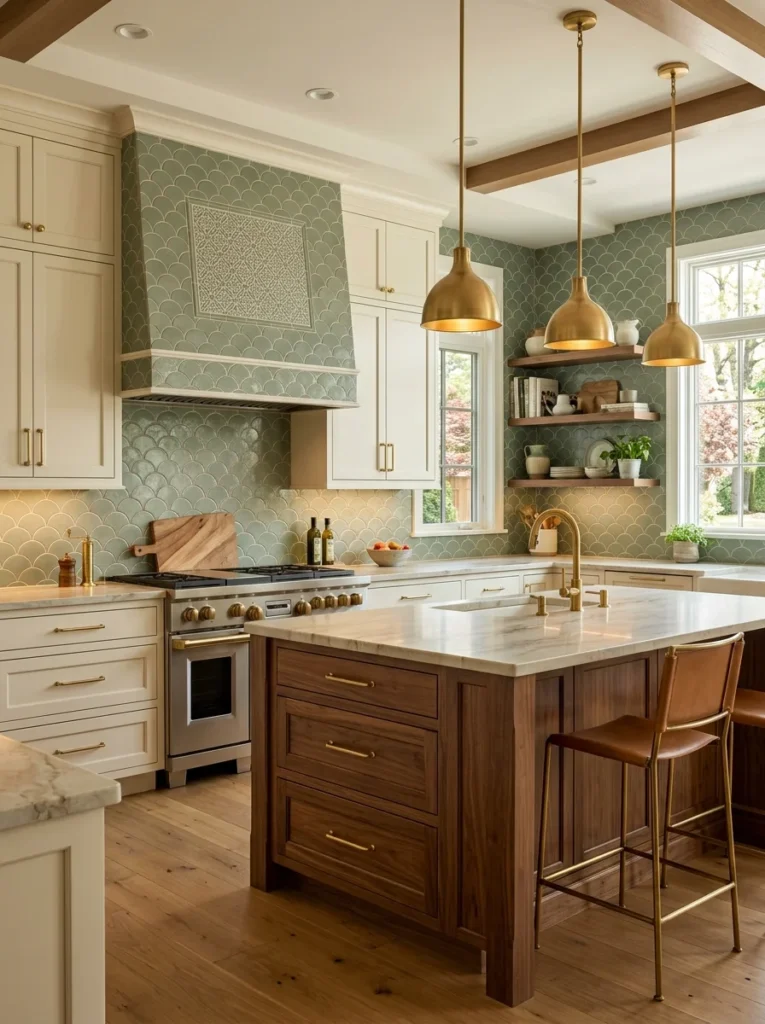
Fish scale or scallop-shaped tile creates a softer decorative effect. Use a muted sage, dusty blue, cream, or soft gray to keep the pattern sophisticated.
It works particularly well behind a range where the backsplash can become a focal point.
16. Vertical Stacked Tile
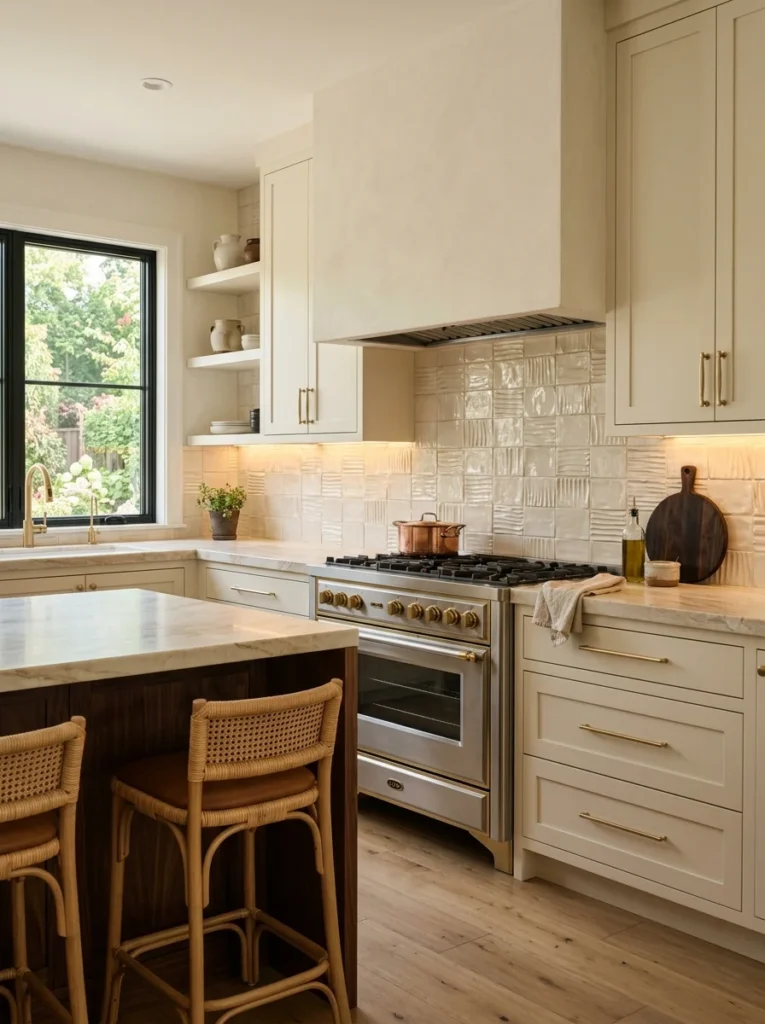
Vertical tile installation can visually emphasize ceiling height. Choose narrow rectangular tiles in cream, sage, white, or another subtle color.
The clean vertical lines feel contemporary while still providing texture and rhythm.
17. Warm Beige Backsplash
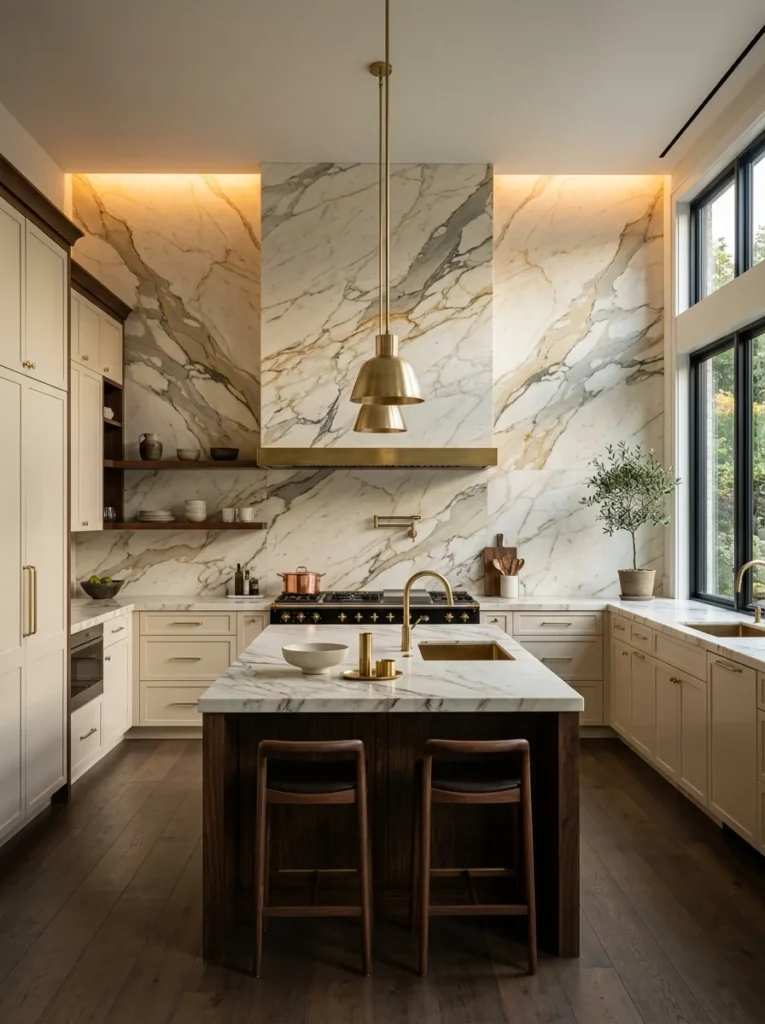
A warm beige backsplash is ideal for creating a calm, cohesive kitchen. Match it loosely with the countertop rather than trying to create an exact color match.
Layering different beige tones with walnut and brass creates a beautifully sophisticated monochromatic look.
18. Bold Cobalt Tile

Cobalt blue can turn an ordinary kitchen into a memorable space. Use it as a backsplash accent behind the stove or across the entire counter wall.
Keep cabinets and countertops neutral so the blue feels intentional and luxurious.
19. Mixed-Material Backsplash
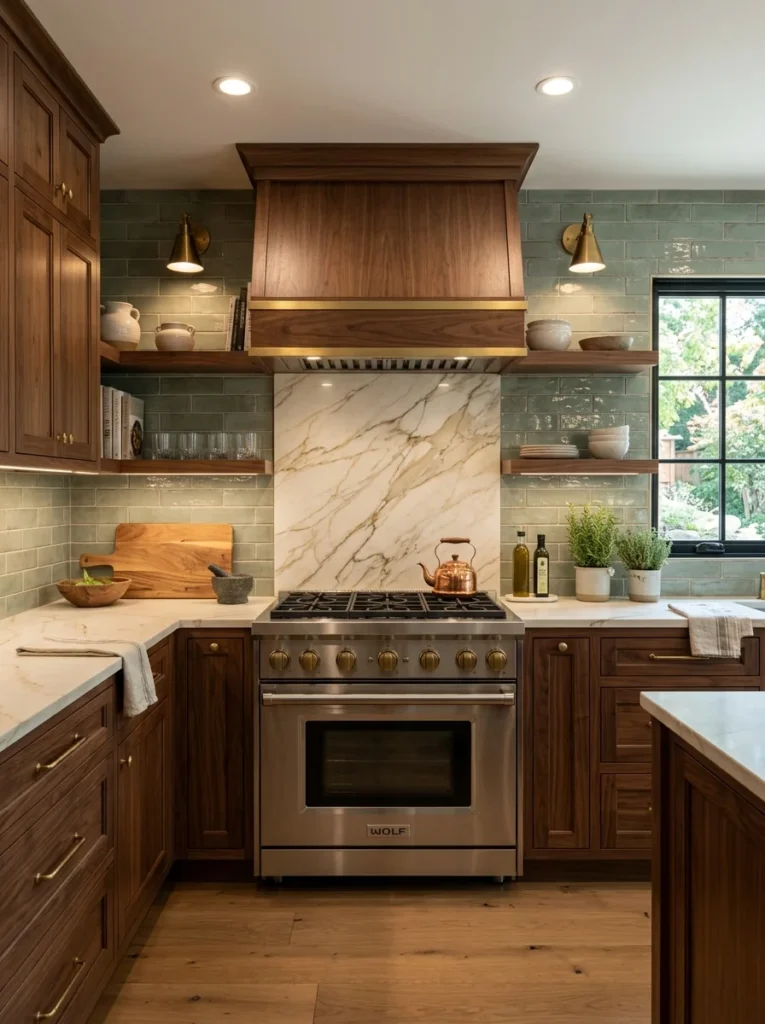
Combining two complementary backsplash materials can create architectural interest. For example, use marble behind the range and textured tile along the surrounding counters.
Keep the color palette connected so the materials feel like part of one design rather than competing surfaces.
20. Limestone Backsplash
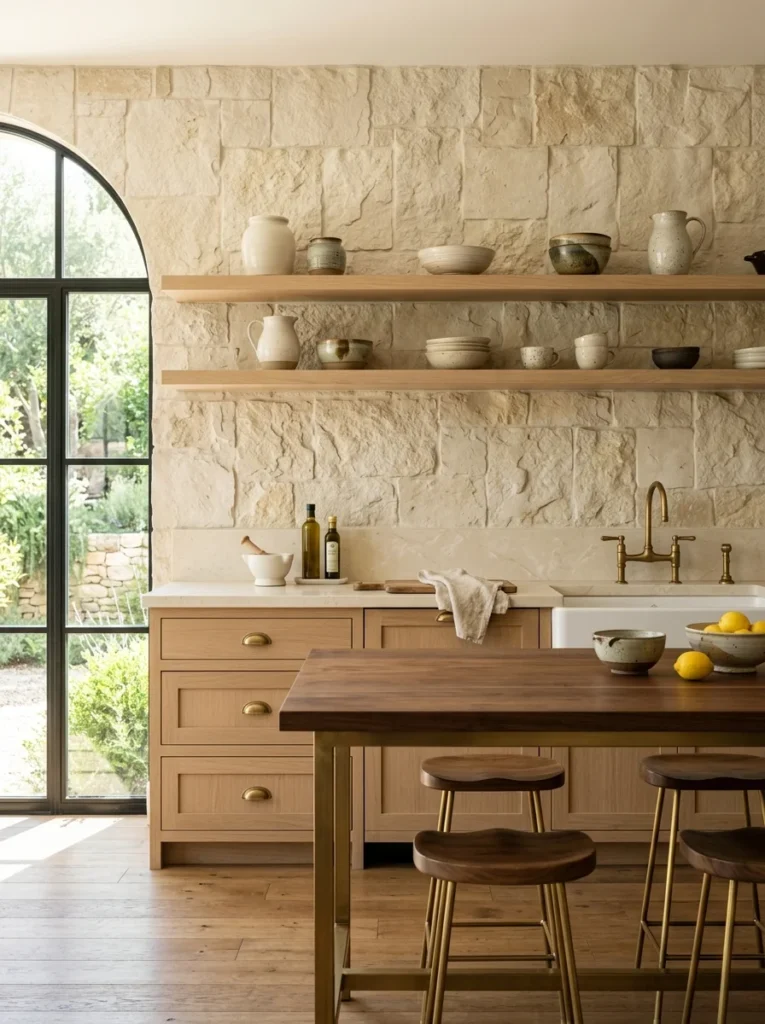
Limestone creates a warm, natural appearance with subtle texture. Its understated beauty works beautifully in organic-modern and European-inspired kitchens.
Pair it with light oak, creamy cabinetry, handmade ceramics, and aged brass for a relaxed luxury feel.
21. Dark Green Marble
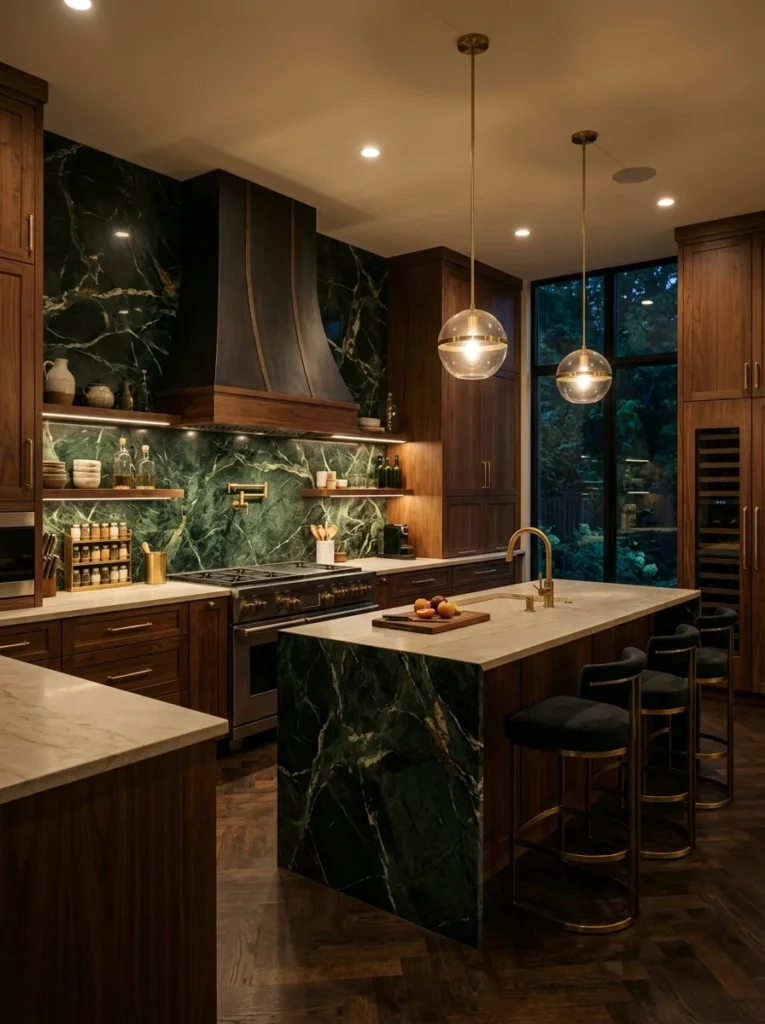
Dark green marble can create an exceptionally dramatic backsplash. Rich veining adds depth while the deep background color gives the kitchen a sophisticated character.
Use warm wood and brass to soften the darkness and create a welcoming atmosphere.
22. Penny Tile Backsplash

Penny tile adds delicate texture and a charming sense of detail. Traditional white is timeless, while muted green, cream, or charcoal can create a more contemporary interpretation.
Use it across a smaller backsplash area if you want the pattern to remain subtle.
23. Checkerboard Backsplash

A checkerboard backsplash can introduce graphic personality. Cream and muted terracotta or cream and sage can feel warmer than traditional black and white.
Pair it with simple cabinetry and understated hardware so the pattern remains the star.
24. Textured Cream Tile
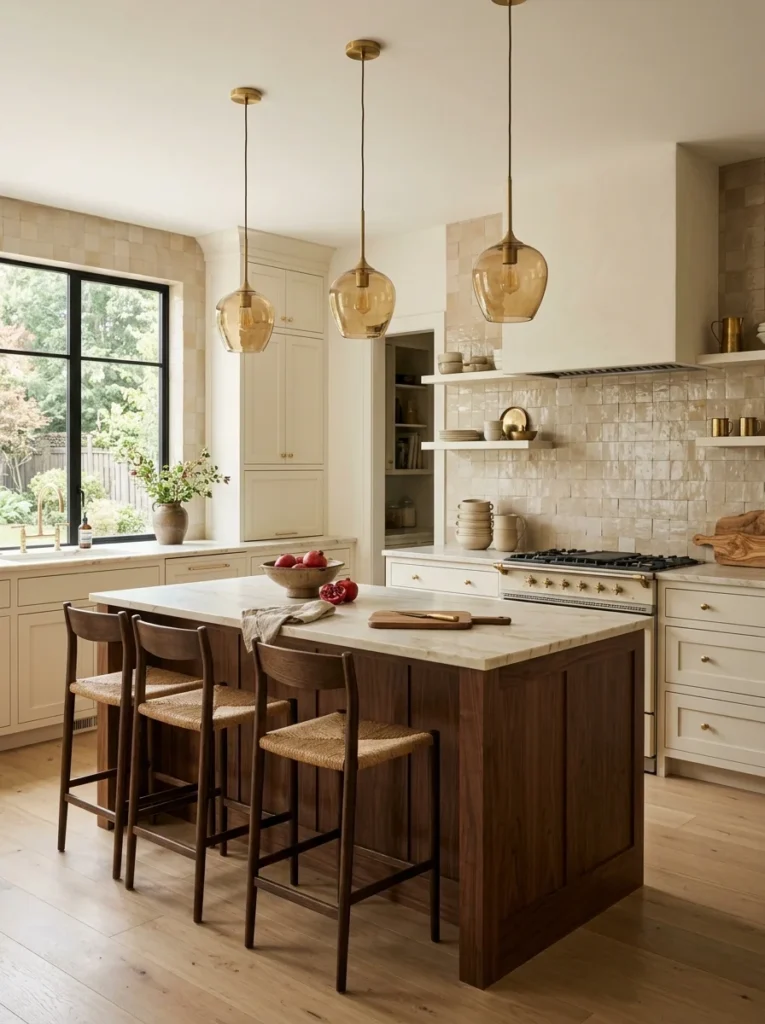
Textured cream tile is perfect for a quiet luxury kitchen. Subtle waves, ridges, handmade surfaces, or dimensional shapes can create depth without adding strong color.
Warm under-cabinet lighting will emphasize every small variation.
25. Colorful Statement Backsplash

For a kitchen that feels full of personality, combine several complementary colors in the backsplash. Think dusty blue, sage, terracotta, cream, and muted mustard.
Keep the cabinetry relatively simple and repeat one or two backsplash colors through stools, ceramics, or artwork.
26. Ultimate Luxury Backsplash

The most beautiful backsplash designs don’t simply look impressive—they connect the entire kitchen together. Imagine a full-height handmade stone backsplash with soft cream, warm beige, and subtle terracotta variation flowing behind a sculptural range.
Pair it with rich walnut cabinetry, creamy quartzite counters, champagne-brass hardware, warm pendant lighting, and carefully selected ceramics. The result feels custom, sophisticated, and timeless while still being warm enough for everyday life.
How to Choose the Right Backsplash for Your Kitchen, Budget, and Cooking Habits
Measure before you fall in love with a tile. The standard backsplash is 18 inches high between the countertop and the upper cabinets, and 30 to 36 inches high behind the range. Multiply the length of each run by its height in inches, divide by 144, and you have the square footage; a typical 10-foot run at 18 inches high is 15 square feet, and a full kitchen usually needs 25 to 35 square feet. Order 10 to 15 percent extra for straight layouts, and 15 to 20 percent extra for herringbone or diagonal patterns, because every angled cut wastes a tile. Bring home a full tile, not just a chip, and hold it against the countertop and cabinet door in daylight: a white tile with a blue undertone clashes with a cream countertop with a yellow undertone, and the clash is obvious once 30 square feet are on the wall. If you want more patterns to compare side by side, these backsplash designs for a stunning kitchen upgrade show how each material looks at full scale.
What it costs and how long it takes
Ceramic subway tile costs about $5 to $15 per square foot, handmade zellige $15 to $30, and marble $20 to $50, while peel-and-stick tile costs $5 to $10 and is the only option most renters should use. Professional installation adds $10 to $25 per square foot, so a 30-square-foot backsplash totals roughly $800 to $2,500 installed, plus $50 to $100 for grout, thinset, and sealer. A do-it-yourself job takes two to three days: one day to set the tile, 24 hours for the thinset to cure, then half a day to grout and clean, with another 24 to 48 hours before the grout is fully cured and can be sealed. Use a modified thinset for natural stone and glass tile, not ready-mixed mastic, because mastic stays soft behind large or non-porous tiles and the tile can slip. For a warmer, more layered kitchen that pairs with the same materials, see these backsplash ideas for a cozy luxe look before you order.
Mistakes to avoid and how to care for it
Three mistakes cause most backsplash regrets. First, skipping outlet extenders: tile adds a quarter inch of depth, so outlets sit recessed and plugs will not sit flush, and the fix is a $2 box extender per outlet fitted before grouting. Second, starting on an uneven countertop: level the first row with a ledger board and a spirit level, because a first row that is off by even an eighth of an inch is off by half an inch at the top. Third, choosing the wrong grout: use a 1/16-inch joint for rectified tile and a 1/8-inch joint for handmade tile, pick epoxy grout behind the range because it resists grease and tomato stains, and seal cement grout and natural stone every 6 to 12 months. Clean with a pH-neutral cleaner and a soft cloth, and never use vinegar on marble or limestone, because acid etches the surface in minutes and leaves dull spots that only a stone professional can polish out. A sealed, well-grouted backsplash lasts 15 to 20 years, but unsealed marble can stain from a single splash of tomato sauce left overnight. If a blue palette appeals to you, these cool blue kitchen ideas for a fresh stylish space show how a blue backsplash works with white cabinets and brass hardware.
Frequently Asked Questions
How much tile do I need for a kitchen backsplash? Measure each run in inches, multiply length by height, divide by 144 for square feet, and add 10 to 15 percent extra, or 15 to 20 percent for herringbone, because angled cuts waste more tile.
How long does a backsplash take to install? A professional finishes in one to two days, while a do-it-yourself job takes two to three days, because thinset needs 24 hours to cure before grouting and grout needs another 24 to 48 hours before sealing.
Can I use vinegar to clean a marble backsplash? No, vinegar and other acids etch marble and limestone in minutes, so use a pH-neutral stone cleaner, wipe splashes the same day, and reseal the stone every 6 to 12 months.

Ahmad is the founder and writer behind Valmora Decor, a home decor blog packed with practical ideas for beautiful, livable spaces. From cozy bedrooms to inviting outdoor areas, he shares easy-to-follow inspiration for every corner of the home.